English


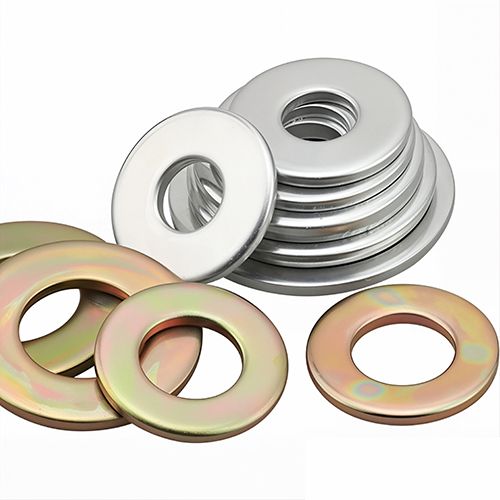
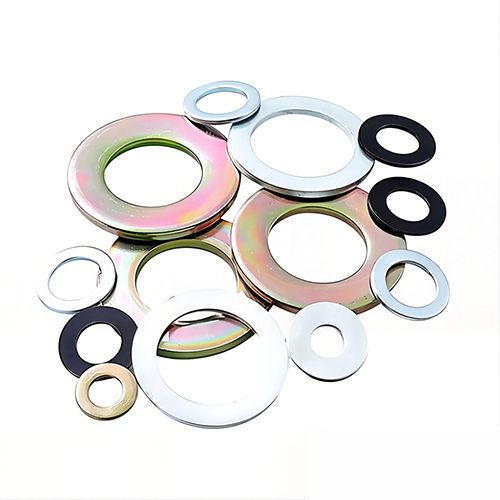
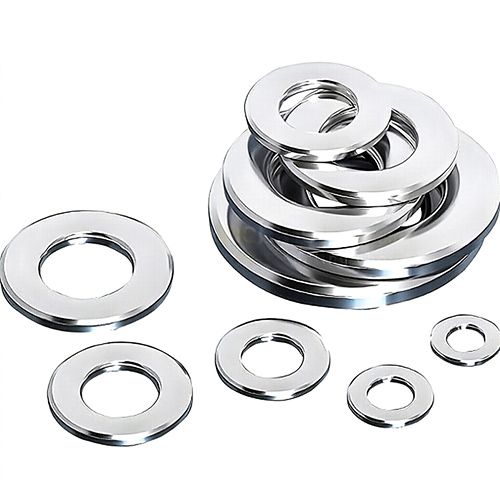
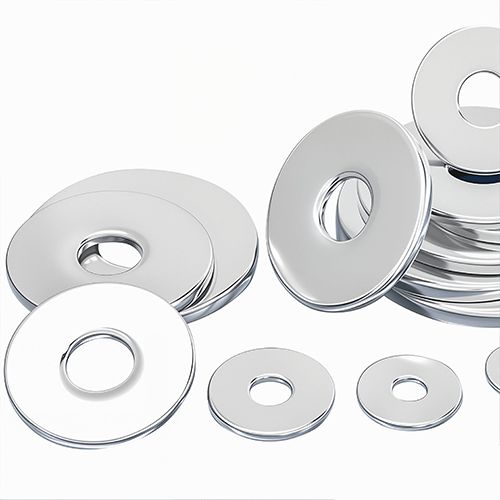
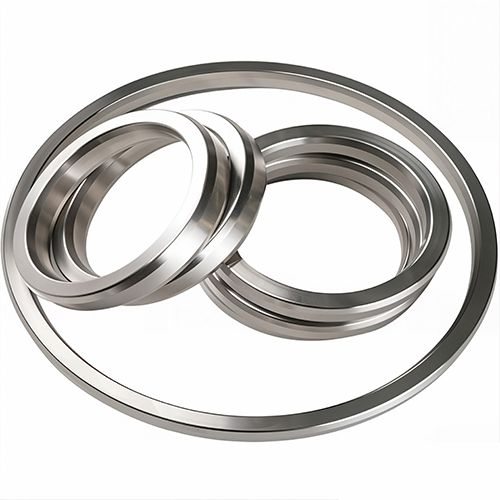
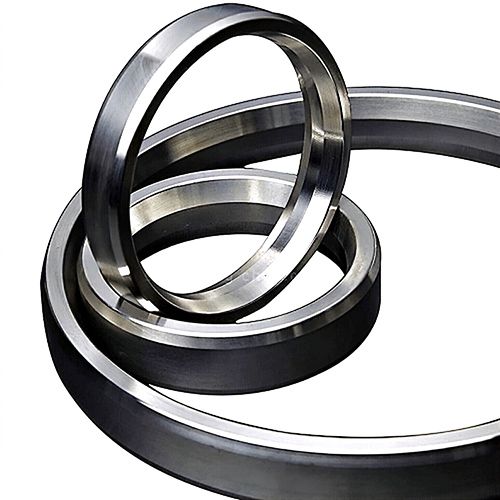
In the demanding world of industrial sealing, where pressure, temperature, and chemical resistance are non-negotiable, the Cutting Metal Gasket Washer stands as a critical component for creating reliable, high-integrity seals. Unlike standard washers or non-metallic gaskets, a cutting metal gasket washer is engineered to bite into the flange surface, creating a gas-tight or fluid-tight barrier in the most challenging applications. At Kaxite Sealing, we specialize in the precision manufacturing of these vital components, understanding that their performance is paramount to system safety, efficiency, and longevity. This guide delves into the specifics of our cutting metal washers, providing the technical details and expert insights you need for specification.
Our cutting metal gasket washers are meticulously crafted to exceed industry standards. The following parameters define their performance envelope and ensure compatibility with your application requirements.
| Parameter | Standard Range | Customization Available | Key Consideration |
|---|---|---|---|
| Inner Diameter (ID) | 0.25" to 12" (6.35mm to 304.8mm) | Yes | Must closely match bolt or stud diameter. |
| Outer Diameter (OD) | 0.5" to 14" (12.7mm to 355.6mm) | Yes | Determines sealing surface area and contact pressure. |
| Thickness (Gauge) | 0.016" to 0.125" (0.4mm to 3.175mm) | Yes | Critical for controlling the "bite" depth and compression. |
| Cutting Edge Angle | 70° to 90° (Standard 90°) | Yes | Affects the initial sealing force and flange penetration. |
| Surface Finish (Ra) | 32 µin to 125 µin (0.8µm to 3.2µm) | Yes | Smoother finishes can reduce required seating torque. |
| Flatness Tolerance | ±0.001" per inch of diameter | Tightened on request | Ensures uniform contact and pressure distribution. |
The unique sealing mechanism of a cutting metal gasket washer makes it indispensable across several high-stakes industries. Kaxite Sealing components are trusted in environments where failure is not an option.
Q: What exactly is a cutting metal gasket washer and how does it work?
A: A cutting metal gasket washer is a type of static seal featuring a precision-formed, sharp inner edge (and sometimes outer edge). When installed under the head of a bolt or nut and torqued down, this sharp edge is designed to plastically deform and cut a small groove into the mating flange surface. This action displaces surface imperfections, creates a continuous metal-to-metal contact line, and forms a highly effective, pressure-energized seal that prevents leakage of gases or liquids.
Q: When should I choose a cutting metal washer over a standard flat washer or a soft gasket?
A: Choose a cutting metal gasket washer when you face high internal pressure, high temperature, corrosive media, or require a seal that won't creep or relax over time. They are ideal for rigid metal flanges. Standard flat washers only distribute load and do not seal. Soft gaskets (rubber, fiber) can compress, creep, and degrade with temperature/chemicals, making them unsuitable for severe service. The cutting washer provides a permanent, reliable seal in these demanding conditions.
Q: How do I select the right material for my application?
A: Material selection is a three-fold decision based on the operating environment. First, consider the chemical media; select a material resistant to corrosion (e.g., 316 Stainless for general chemicals, Hastelloy for strong acids). Second, account for temperature; ensure the material retains its strength and does not oxidize excessively (e.g., Carbon steel for high temp, but may need coating). Third, consider galvanic compatibility with the flange material to prevent bimetallic corrosion. Kaxite Sealing engineers can provide detailed corrosion guides and recommendations.
Q: What is the correct installation procedure for a cutting metal gasket washer?
A: Proper installation is critical. Ensure both flange surfaces are clean, dry, and free of old gasket material and major defects. Place the washer with the cutting edge facing the softer flange material (if there is a difference in hardness). Align the bolt holes. Insert bolts and hand-tighten nuts. Follow a cross-pattern torque sequence, tightening in multiple incremental stages (e.g., 30%, 60%, 100% of final torque) to ensure even compression and sealing. Never re-use a cutting metal washer, as the cutting edges are deformed after the first use.
Q: What torque value should be used for installation?
A: The required torque depends on the washer's size, material, hardness, and the bolt grade. It must be sufficient to cause the controlled "bite" into the flange without shearing the washer or over-stressing the bolt. As a general rule, installation torque is higher than for a standard flat washer. Kaxite Sealing provides detailed, application-specific torque tables with each product order. It is crucial to follow these guidelines and any applicable industry standards (ASME, API).
Q: Can Kaxite Sealing cutting metal washers be used on soft or coated flanges?
A: They can be used, but with caution. On soft materials like aluminum, the cutting action will be very pronounced, potentially creating a deep groove. This is acceptable if the flange design allows for it and the groove depth is controlled. On coated flanges (e.g., zinc-plated), the washer will cut through the coating to the base metal, which is necessary for a seal. However, this compromises the corrosion protection at the seal line, which must be considered in the system design.
Q: What makes Kaxite Sealing cutting metal gasket washers different from others on the market?
A: Kaxite Sealing washers are distinguished by three core pillars: precision, consistency, and expertise. We utilize advanced CNC machining and precision stamping with strict SPC (Statistical Process Control) to ensure every washer meets exact dimensional and geometric tolerances. Our metallurgical expertise ensures material traceability and certified mechanical properties. Furthermore, we offer unparalleled technical support, helping customers select, install, and optimize sealing solutions for their specific challenges, ensuring long-term reliability and reducing total cost of ownership.
Q: Do you offer custom designs or special sizes?
A: Absolutely. While we stock a wide range of standard sizes, a significant portion of our business is dedicated to custom-engineered sealing solutions. We can manufacture cutting metal washers to non-standard IDs, ODs, thicknesses, with special cutting edge profiles, in exotic alloys, or with proprietary coatings. Our engineering team works directly with clients to design a washer that perfectly fits unique flange geometries or extreme operating conditions.
Q: What quality certifications and testing does Kaxite Sealing adhere to?
A> Kaxite Sealing maintains a robust Quality Management System certified to ISO 9001:2015. Our production processes and final products are subject to rigorous testing, which can include dimensional inspection via CMM (Coordinate Measuring Machine), hardness testing, material composition verification via PMI (Positive Material Identification), and functional leak testing per standards like ASTM F37. Full material certification (Mill Certs) and Certificates of Conformance are provided with shipments to meet the stringent requirements of the oil & gas, aerospace, and nuclear industries.