English


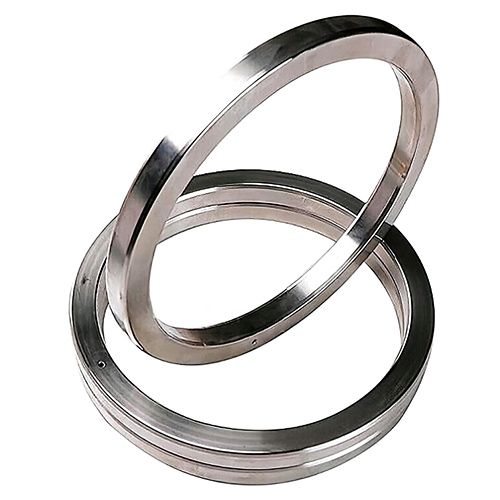
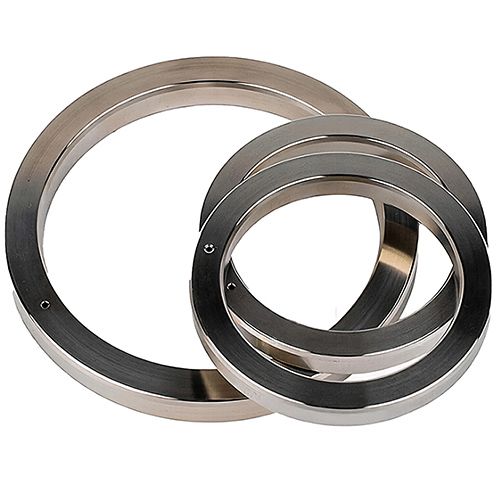
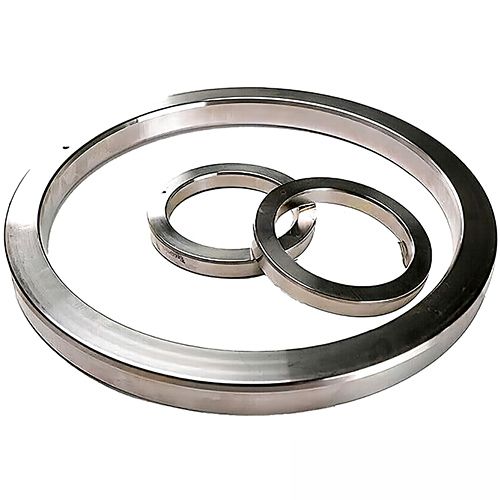
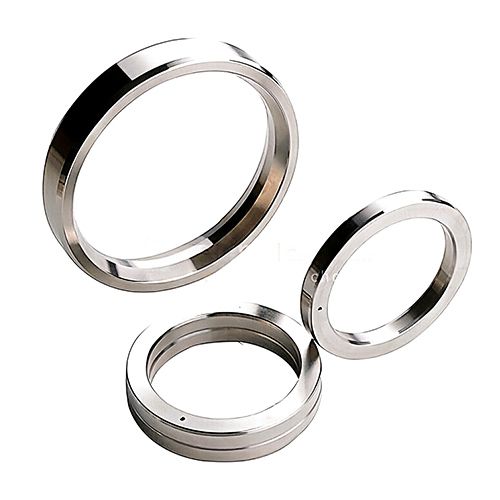
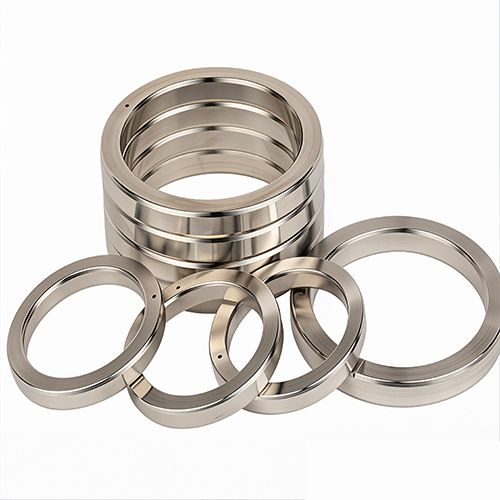
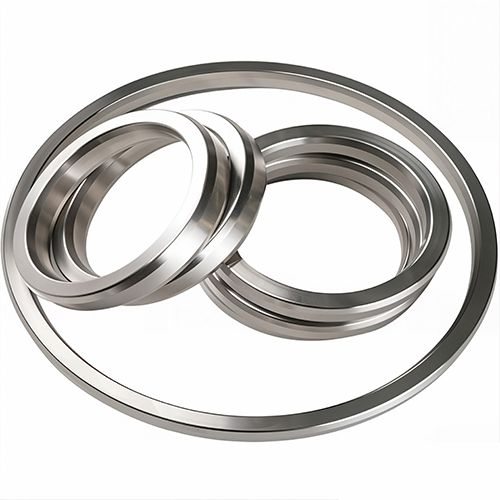
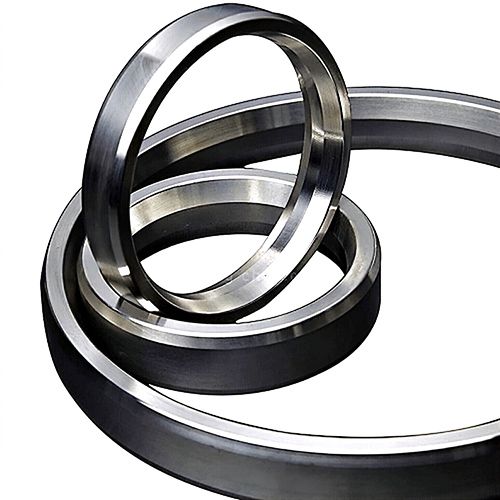
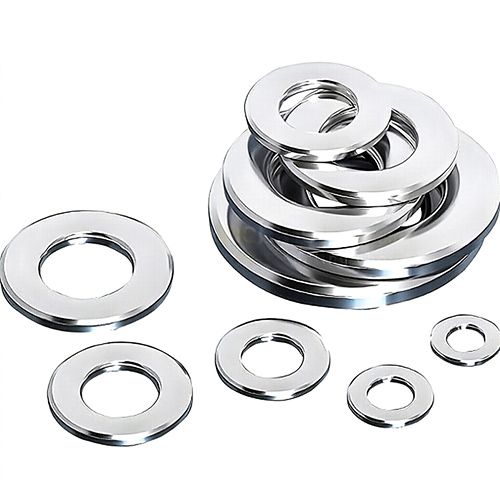
In the demanding world of industrial sealing, where extreme pressures and temperatures are the norm, few components are as critical and reliable as the BX ring joint gasket. For over two decades, Kaxite Sealing has been at the forefront of engineering and manufacturing these precision sealing elements, providing unmatched safety and leak-tight integrity for flange connections in the most challenging applications. Unlike standard gaskets, the BX ring joint gasket is a metallic, self-energizing seal designed to create a robust metal-to-metal seal. When installed in a matching machined groove on flanges, the gasket is compressed, causing the soft, ductile metal to flow into the fine imperfections of the flange faces, creating an impenetrable barrier against leakage of process fluids, even under severe thermal cycling and pressure fluctuations.
Kaxite Sealing's expertise ensures that every BX gasket is not just a component but a guarantee of performance. We understand that the margin for error in sectors like oil and gas, chemical processing, and power generation is zero. A failed seal can lead to catastrophic downtime, safety hazards, and significant financial loss. That's why our BX ring joint gaskets are manufactured to the most stringent international standards, including ASME B16.20 and API 6A, using premium-grade materials that are meticulously tested for hardness, yield strength, and dimensional accuracy. This guide will delve into the technical specifications, material science, and application best practices that define Kaxite Sealing's BX ring joint gaskets, empowering engineers and procurement specialists to make informed decisions for their critical sealing needs.
The performance of a BX ring joint gasket hinges on its precise geometry and material properties. Kaxite Sealing produces a comprehensive range of BX gaskets to fit standard pressure classes and flange sizes. Below are the key design parameters that define our product line.
| Nominal Pipe Size (NPS) | Outside Diameter (OD) - Inch/mm | Pressure Class (ASME) | Standard Ring Number (BX) |
|---|---|---|---|
| 1/2" | 2.00 / 50.8 | 900, 1500, 2500 | BX-151 |
| 1" | 3.25 / 82.6 | 900, 1500, 2500 | BX-154 |
| 2" | 4.75 / 120.7 | 900, 1500, 2500 | BX-156 |
| 4" | 7.25 / 184.2 | 900, 1500, 2500 | BX-160 |
| 6" | 9.25 / 235.0 | 900, 1500, 2500 | BX-162 |
| 8" | 11.50 / 292.1 | 900, 1500, 2500 | BX-165 |
| 12" | 16.00 / 406.4 | 900, 1500, 2500 | BX-168 |
The choice of material is paramount for corrosion resistance, temperature capability, and sealing performance. Kaxite Sealing offers a variety of alloys to suit different service conditions.
| Feature | Tolerance | Importance |
|---|---|---|
| Cross-Section Width (P) | ±0.005 inch (±0.13 mm) | Ensures proper fit within the flange groove; deviation can cause improper seating or extrusion. |
| Cross-Section Height (h) | ±0.005 inch (±0.13 mm) | Critical for achieving the correct compression and metal flow during bolt-up. |
| Outside Diameter (OD) | ±0.030 inch (±0.76 mm) | Ensures the gasket sits correctly on the flange face and aligns with bolt holes. |
| Hardness (Brinell) | Material Dependent (e.g., Soft Iron: Max 90 HB) | Softer than the flange material to allow for plastic deformation and sealing. Excessive hardness prevents proper sealing. |
| Surface Finish | 63 µin (1.6 µm) Ra max on sealing surfaces | A smooth finish allows for optimal metal-to-metal contact and seal initiation. |
What is the primary difference between BX and R ring joint gaskets?
The fundamental difference lies in their pressure rating and groove design. BX ring joint gaskets are designed for higher pressure classes (ASME classes 900, 1500, and 2500). They have a rounded, octagonal cross-section and fit into a corresponding groove with a 23-degree flank angle. R-style gaskets (oval or octagonal) are typically used for lower pressure classes (ASME 150 to 600) and seat in a groove with a more pronounced taper. Using the incorrect style for a flange's pressure class can result in seal failure.
Can a BX ring joint gasket be reused after it has been compressed?
No, BX ring joint gaskets are designed for single use only. The sealing action relies on the plastic deformation (cold flow) of the gasket material into the micro-irregularities of the flange grooves. Once disassembled, the gasket has permanently deformed and lost its original geometry and sealing force. Reusing an old gasket will almost certainly lead to a leak path. Kaxite Sealing always recommends installing a new, certified gasket for every flange makeup.
How do I determine the correct bolt torque for a BX gasket installation?
Correct bolt torque is critical and is not a generic value. It depends on the gasket size, material, flange material, bolt grade, and lubrication used on the threads and nut faces. The goal is to achieve a specific bolt stress that sufficiently compresses the gasket to cause yielding. The best practice is to follow the flange manufacturer's or engineering contractor's specific bolt-up procedure, which often involves a calculated torque value or, more accurately, a bolt tensioning procedure. Under-torquing can cause leakage, while over-torquing can damage the flanges or the gasket itself.
What are the signs of a leaking BX ring joint connection?
Visual signs can include weeping of process fluid, discoloration or corrosion around the flange, or the presence of salt deposits (in offshore applications). Audible signs might be a faint hissing sound. For safety-critical or hazardous service, regular monitoring with gas detectors or ultrasonic leak detection equipment is standard procedure. Any suspected leak should be addressed immediately by depressurizing the line, following lock-out/tag-out procedures, and replacing the gasket with a new one from a trusted supplier like Kaxite Sealing.
Why does Kaxite Sealing emphasize material traceability and certification?
In industries governed by codes like ASME and API, material traceability is not a luxury—it's a safety and quality requirement. Full traceability, from mill test reports (MTRs) for the raw material to final inspection reports for the finished gasket, provides verifiable proof that the product meets the specified chemical composition, mechanical properties, and heat treatment. Kaxite Sealing provides a comprehensive certification pack with every order, ensuring compliance and giving engineers and inspectors complete confidence in the integrity of the sealing component they are installing.
How should BX gaskets be stored and handled before use?
Proper storage prevents damage and corrosion. Gaskets should be stored in their original protective packaging in a clean, dry, temperature-controlled environment. They must be kept away from moisture, corrosive fumes, and physical impact. Never stack heavy objects on them. Before installation, inspect the gasket visually for any nicks, scratches, dents, or corrosion on the sealing surfaces. Even minor damage can compromise the seal. Always handle gaskets with clean gloves to prevent contamination from skin oils.
The quality of a Kaxite Sealing BX gasket can only be realized with correct installation. A flawed installation procedure is a leading cause of seal failure, regardless of the gasket's quality.
Every BX ring joint gasket that leaves a Kaxite Sealing facility is the product of a rigorous quality management system. Our process begins with the selection of certified raw materials from reputable mills. Advanced CNC machining centers ensure dimensional accuracy is held within microns. Each batch undergoes stringent inspection, including dimensional checks with calibrated instruments, hardness testing, and surface finish analysis. For critical applications, we offer additional non-destructive testing (NDT) such as dye penetrant inspection to verify the integrity of the sealing surfaces. This unwavering commitment to quality control is what makes Kaxite Sealing a trusted partner for global engineering firms and operators. We don't just supply gaskets; we deliver engineered sealing solutions backed by decades of metallurgical expertise and a deep understanding of the operational challenges faced in the field.