English


In the demanding world of industrial sealing, where extreme pressures and temperatures are the norm, the integrity of your connections is paramount. One component stands out for its reliability in the most severe service conditions: the Oval Ring Joint Gasket. Engineered for metal-to-metal sealing in flange connections, these gaskets are the cornerstone of safety and leak prevention in critical applications across oil and gas, petrochemical, and high-pressure processing industries. As a seasoned professional with decades in the field, I can attest that selecting the correct ring joint gasket is not a matter of chance but of precise engineering. At Kaxite Sealing, we have dedicated ourselves to mastering this precision, offering gaskets that don't just meet specifications but exceed performance expectations, ensuring your operations run securely, efficiently, and without costly downtime.
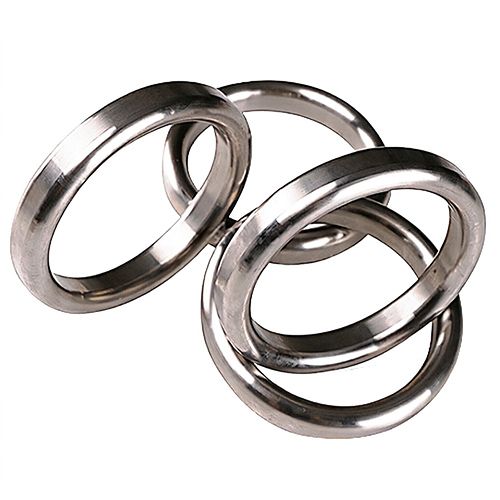
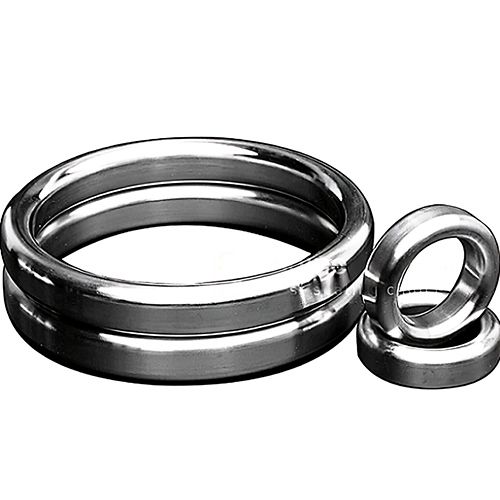
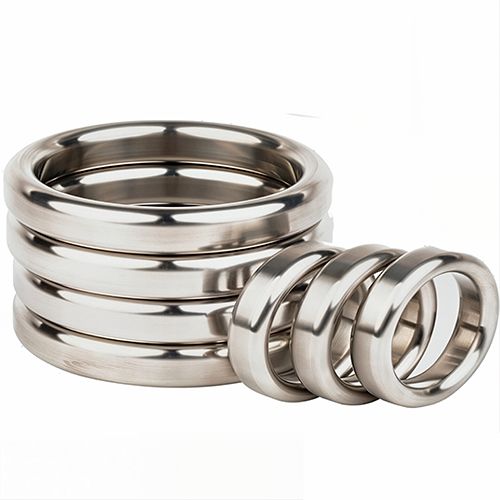
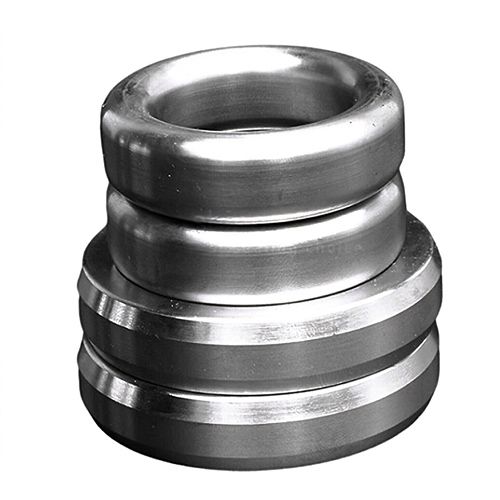
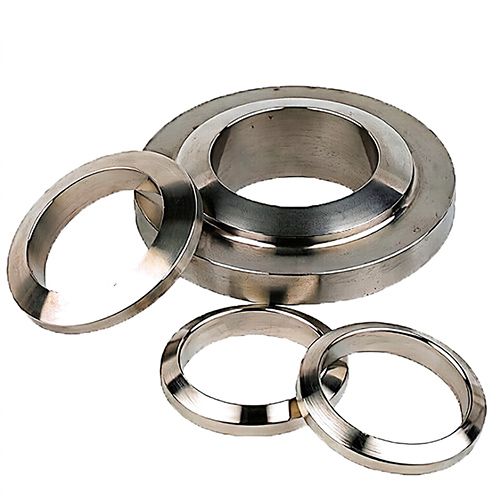
Unlike flat gaskets or spiral wound alternatives, the Oval Ring Joint Gasket is a solid, one-piece ring machined from a metal blank. Its defining characteristic is its oval-shaped cross-section. This unique shape is designed to fit into corresponding oval grooves machined into the mating flanges. When the flanges are bolted together, the gasket is compressed, causing the soft metal to flow and conform perfectly to the intricate surfaces of the groove. This creates a highly effective, high-integrity, metal-to-metal seal that is exceptionally resistant to extrusion, even under extreme internal pressures and temperature cycling. The seal is achieved primarily on the outer and inner wedge-shaped surfaces of the ring, making it ideal for containing high-pressure fluids and gases.
Quality is defined by specifications. Kaxite Sealing manufactures Oval Ring Joint Gaskets to the most stringent international standards, ensuring global compatibility and performance. Below are the critical parameters that define our product line.
The choice of material is critical for corrosion resistance, temperature capability, and sealing performance. Kaxite offers a comprehensive range.
| Material Grade | Common Designation | Key Properties | Typical Applications |
|---|---|---|---|
| Soft Iron | R or RX Style (Annealed) | Excellent ductility for easy sealing, good corrosion resistance in non-acidic services. | General refinery service, water, steam lines. |
| Low Carbon Steel | Style R | Good strength and economy, commonly used for hydrocarbon services. | Oil and gas pipelines, fuel systems. |
| 304 Stainless Steel | Style R | Good general corrosion resistance, oxidation resistance up to ~870°C. | Chemical processing, food and beverage, high-temperature steam. |
| 316 Stainless Steel | Style R | Enhanced corrosion resistance due to Molybdenum, particularly against chlorides. | Marine environments, pulp and paper, pharmaceutical. |
| Alloy 20 | Style R | Superior resistance to sulfuric acid and other aggressive chemicals. | Sulfuric acid plants, chemical reactors. |
| Inconel 600 / 625 | Style R & BX | Exceptional high-temperature strength and oxidation/corrosion resistance. | Wellhead equipment (BX style), furnace parts, heat exchangers. | Monel 400 | Style R | Excellent resistance to seawater, hydrofluoric acid, and alkaline solutions. | Offshore platforms, HF alkylation units, marine engineering. |
| Type | Profile | Description | Application Note |
|---|---|---|---|
| Style R (Oval) | Oval Cross-Section | The standard oval ring for ASME B16.5 flanges. Provides a robust seal for a wide range of pressures. | Used with raised face (RF) flanges that have been machined with an oval groove. Most common type. |
| Style RX | Modified Oval | An oval ring with pressure-energizing features. Designed to seal at lower bolt loads. | Often used as a replacement for standard R rings to improve sealability without changing flanges. |
| Style BX (Octagonal) | Octagonal Cross-Section | Features an octagonal cross-section. Requires higher bolt load but offers superior sealing for the most extreme conditions. | Primarily for API 6A wellhead and christmas tree equipment. Not interchangeable with oval groove flanges. |
Q: What is the fundamental difference between an Oval (R/RX) and an Octagonal (BX) ring joint gasket?
A: The core difference lies in the cross-sectional shape and its application. Oval ring joint gaskets have an elliptical cross-section and are designed to fit into flanges with machined oval grooves, typically following ASME B16.20 for pipeline and plant piping. Octagonal (BX) gaskets have an eight-sided cross-section for flanges with octagonal grooves, as per API 6A standards, and are almost exclusively used in wellhead and valve assemblies for oil and gas production where pressures are exceptionally high. They are not interchangeable due to the different groove geometries.
Q: Can a used Oval Ring Joint Gasket be reused after disassembling a connection?
A: It is highly discouraged and generally considered unsafe to reuse a ring joint gasket. During the initial bolt-up, the soft metal of the gasket plastically deforms (flows) to fill the microscopic imperfections in the flange grooves, creating a custom seal. Once disassembled, the gasket has taken a permanent set. Reusing it will not guarantee the same level of seal integrity, as the compressed metal cannot re-flow to the same degree, significantly increasing the risk of a leak. Always install a new, unused Kaxite Sealing gasket for every connection make-up.
Q: How do I select the correct material grade for my service conditions?
A: Material selection is a three-factor analysis: 1) Fluid Compatibility: The gasket material must resist corrosion from the process fluid (e.g., use Monel for hydrofluoric acid, stainless steel for chlorides). 2) Temperature: The material must retain its strength and sealing properties at operating temperature (e.g., soft iron for moderate temps, Inconel for very high temps). 3) Pressure: While all ring joint gaskets are for high pressure, the material's yield strength must be appropriate for the specific bolt load required. Consulting your flange specification, process & piping diagrams (P&IDs), and a trusted supplier like Kaxite Sealing is crucial for this decision.
Q: What is the proper procedure for installing an Oval Ring Joint Gasket?
A: Correct installation is critical. First, ensure the flange grooves are perfectly clean, dry, and free of scratches or old gasket material. Lightly lubricate the gasket with a suitable, compatible lubricant (never use grease that can degrade or contaminate the process). Carefully place the gasket into the groove of one flange, ensuring it sits evenly. Align the flanges and insert all bolts hand-tight. Then, follow a cross-bolting pattern (star pattern) to tighten the bolts in multiple stages (e.g., 30%, 60%, 100% of final torque) to achieve even compression. Always use a calibrated torque wrench and adhere to the flange manufacturer's specified bolt torque values.
Q: Why might a ring joint connection still leak after installation, and how can Kaxite Sealing gaskets help prevent this?
A: Leaks can stem from several root causes: incorrect gasket material for the service, damage to the flange sealing grooves (nicks, galling), improper bolt tightening (uneven or insufficient torque), or a defective gasket. Kaxite Sealing prevents the latter by employing rigorous quality control. Our gaskets undergo 100% dimensional inspection to ASME/API tolerances, material certification (with traceable mill test reports), and visual inspection for surface defects. By providing a perfectly dimensioned, certified product, we eliminate the gasket as a variable, allowing installers to focus on proper flange preparation and bolt-up technique.
Q: Are Kaxite Sealing Oval Ring Joint Gaskets traceable and certified?
A: Absolutely. Traceability and certification are non-negotiable for critical sealing components. Every batch of Kaxite Sealing ring joint gaskets is manufactured from certified raw material. We provide full Material Test Reports (MTRs) or Certificate of Conformance (COC) documents that trace the material back to its origin melt, verifying its chemical composition and mechanical properties. This documentation is essential for quality assurance, safety audits, and compliance with industry regulations in sectors like oil & gas and nuclear power.
The robustness of the Oval Ring Joint Gasket makes it indispensable in industries where failure is not an option. Its primary applications include: