English


Every maintenance manager knows the sinking feeling of opening an inspection report and seeing a flange leak on a high-temperature steam header. The graphite-filled spiral wound gasket that worked for years suddenly loses its resilience, oxidizes, and begins to emit fugitive vapors. If you have faced this situation, the question is natural: What are the advantages of vermiculite spiral wound gaskets? In brief, vermiculite-filled spiral wound gaskets deliver superior oxidation resistance, better thermal cycling recovery, and reliable sealing in temperatures where graphite breaks down. They are especially effective in steam, heat transfer fluids, exhaust systems, and aggressive chemical services. For procurement engineers and plant reliability teams, this translates into fewer unplanned shutdowns, lower leak rates, and a longer service life for bolted flange joints. This guide explains the technical benefits, real-world pain points, and selection criteria so you can specify the right gasket with confidence.
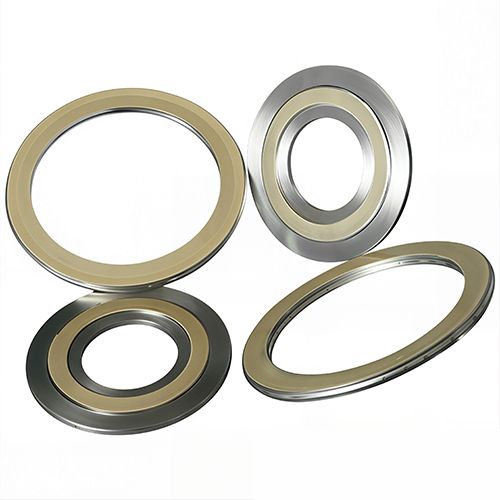
A spiral wound gasket consists of a preformed metal winding strip and a soft filler material wound together under controlled tension. The metal winding, usually stainless steel or another alloy, provides structural strength and resilience, while the filler material creates the primary seal against the flange faces. Common fillers include flexible graphite, PTFE, and vermiculite. Vermiculite is a naturally occurring mineral that expands when heated, forming a lightweight, thermally stable filler with excellent oxidation resistance and low leachable chloride content.
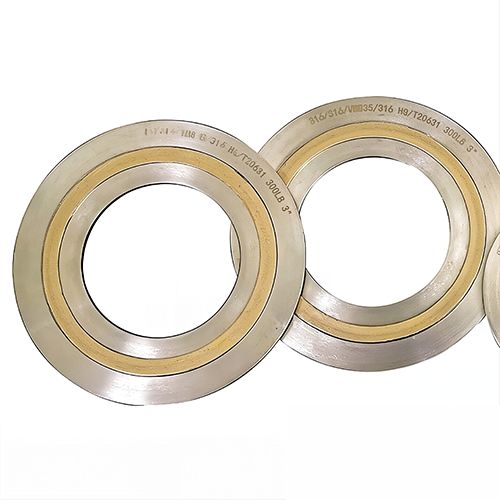
In high-temperature applications above 450°C, graphite fillers can oxidize rapidly, especially in the presence of air or steam. This oxidation reduces gasket density, increases porosity, and leads to leakage. Vermiculite filler, by contrast, retains its sealing properties at temperatures up to approximately 1000°C, depending on the metal winding material. That is why vermiculite spiral wound gaskets are widely specified for exhaust systems, steam turbines, refinery heaters, and other extreme service conditions.
Imagine a combined-cycle power plant where steam temperatures swing from 380°C to 560°C during load changes. A standard graphite-filled gasket may perform well for a few months, but repeated thermal cycling gradually breaks down the filler. The result is a loss of seating stress and a visible steam plume around the flange. This is a classic pain point for maintenance teams that want reliability without constant bolt re-torquing.
The solution is often a vermiculite spiral wound gasket. Its filler maintains spring-back and recovery after temperature excursions, so the gasket continues to seal even when flange surfaces expand and contract. In addition, vermiculite offers excellent resistance to oxidizing acids, alkaline media, and high-temperature steam. For plants that handle exhaust gases, thermal oils, or superheated steam, these gaskets reduce leak paths and help meet emissions limits.
| Parameter | Vermiculite Spiral Wound Gasket | Graphite Spiral Wound Gasket |
|---|---|---|
| Maximum continuous temperature | Up to 1000°C (metal dependent) | Up to 450°C in oxidizing service |
| Oxidation resistance | Excellent | Limited |
| Thermal cycling recovery | High | Moderate |
| Leachable chloride content | Low | Usually low, but grade dependent |
| Typical services | Steam, exhaust, heat transfer fluids, chemical processing | General purpose steam, oils, and non-oxidizing services |
These properties make vermiculite spiral wound gaskets a preferred choice in refineries, power plants, chemical facilities, and marine exhaust systems where elevated temperatures and oxidative environments are common.
Consider a chemical plant purchasing engineer who orders standard graphite spiral wound gaskets for a thermal oil line operating at 400°C. Six months later, maintenance reports leakage at several flanges. The root cause investigation shows graphite oxidation and loss of compression. The plant loses production time, and the procurement team must urgently source a replacement that works.
Ningbo Kaxite Sealing Materials Co., Ltd. addresses this by recommending vermiculite spiral wound gaskets with a suitable metal winding and inner ring. The inner ring prevents inward buckling, while the outer centering ring simplifies installation. Kaxite also verifies the filler grade, metal material, and seating stress range to match the actual service conditions. This reduces trial-and-error and lowers total cost of ownership.
| Pain point | Root cause | Recommended solution | Kaxite product support |
|---|---|---|---|
| Leakage on thermal oil line at 400°C | Graphite oxidation and filler erosion | Vermiculite filler with 316L winding | Custom dimensions and filler grade selection |
| Frequent bolt re-torquing | Loss of gasket recovery | Vermiculite filler improves spring-back | Seating stress calculation support |
| Installation misalignment | No outer centering ring | Use outer ring for proper centering | Standard and custom ring configurations |
| Unclear material certification | Inconsistent supplier documentation | Request EN 10204 3.1 or batch test reports | Mill certificates and inspection reports |
Selecting the right filler material depends on temperature, media, and cyclic service. Graphite offers good sealability in many general applications but weakens in oxidizing conditions above 450°C. PTFE has outstanding chemical compatibility but is limited to lower temperatures, typically below 260°C, because it can creep and lose thickness under load. Vermiculite fills the gap for high-temperature and cyclic services where chemical compatibility and thermal stability are equally important.
| Filler material | Typical temperature limit | Oxidation resistance | Chemical compatibility | Best-fit applications |
|---|---|---|---|---|
| Flexible graphite | 450°C in oxidizing; higher in inert | Moderate to low | Broad except strong oxidizers | General steam, oils, many chemicals |
| PTFE | 260°C | Excellent | Excellent across most acids and alkalis | Aggressive chemical service at lower temperatures |
| Vermiculite | Up to 1000°C | Excellent | Good in high-temperature and oxidative media | Superheated steam, exhaust, thermal fluids, high-temperature chemical lines |
For procurement teams, the decision often comes down to the total cost of the flange joint over its service life. A slightly higher upfront cost for vermiculite can be justified by fewer replacements, less maintenance labor, and lower fugitive emission risks.
Q1: What are the advantages of vermiculite spiral wound gaskets compared with standard graphite-filled gaskets?
A: Vermiculite spiral wound gaskets provide higher oxidation resistance, better recovery after thermal cycling, and reliable sealing at temperatures up to 1000°C in oxidizing environments. Graphite-filled gaskets are effective in many moderate-temperature services, but they can oxidize and lose sealing performance above 450°C. Vermiculite also has low leachable chloride content and works well in steam, exhaust, and heat transfer systems. These advantages reduce unplanned maintenance and improve emissions compliance.
Q2: What are the advantages of vermiculite spiral wound gaskets in high-temperature steam service?
A: In high-temperature steam service, vermiculite filler maintains density and spring-back better than graphite because it does not oxidize as readily. This helps the gasket retain seating stress and resist blowout during temperature swings. Combined with a stainless steel or higher alloy winding and an inner ring, vermiculite spiral wound gaskets handle superheated steam and steam-turbine flanges with lower leak rates and longer service intervals.
Procurement engineers often face long lead times, unclear material traceability, and limited technical support when sourcing high-temperature gaskets. Ningbo Kaxite Sealing Materials Co., Ltd. focuses on solving these problems by offering vermiculite spiral wound gaskets in standard and custom dimensions, with documented filler grades, metal windings, and ring types. The company can provide inspection reports, material certificates, and gasket seating stress guidance to help you avoid improper selection.
Because Kaxite works directly with manufacturers and maintains a focused product range, buyers can receive faster technical feedback and consistent quality control. This is especially valuable for urgent replacements on steam headers, exhaust systems, and chemical processing lines where downtime is expensive.
If you are currently evaluating gasket materials for a difficult flange application, share your operating temperature, pressure class, flange size, and media type. The technical team will help you compare vermiculite and other filler options before you commit to a purchase.
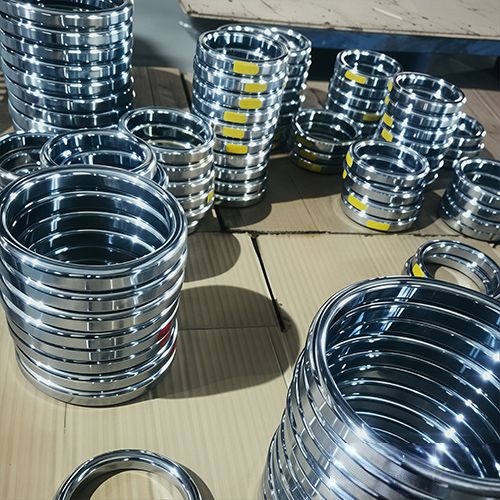
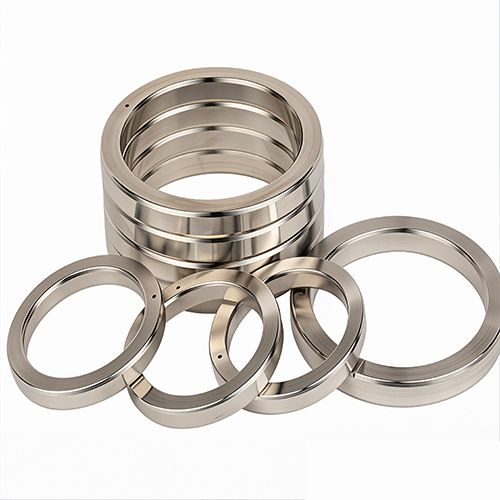
Ningbo Kaxite Sealing Materials Co., Ltd. provides vermiculite spiral wound gaskets, ring joint gaskets, and custom sealing solutions for high-temperature and corrosive industrial services. The company supports procurement teams through https://www.ring-joint-gaskets.net with technical datasheets, dimension verification, and batch inspection reports. For direct inquiries and quotation requests, email [email protected].
1. Brown, W. (2004). Gasket Selection and Application. Valve Magazine, 16(2), 22-27.
2. Derenne, M., Marchand, L., & Payne, J. R. (2000). Elevated temperature characterization of flexible graphite sheet gaskets. Journal of Pressure Vessel Technology, 122(1), 1-8.
3. Kobayashi, T., & Nishida, T. (2012). Effect of filler material on sealing performance of spiral wound gaskets. Journal of Pressure Vessel Technology, 134(5), 051205.
4. Nagata, S., & Shoji, Y. (2009). Leakage characteristics of spiral wound gaskets under thermal cycling. Journal of Chemical Engineering of Japan, 42(4), 287-293.
5. Payne, J. R., & Derenne, M. (2001). Development of a new gasket test procedure for ASME B16.20. Journal of ASTM International, 12(8), 45-53.
6. Roberts, I. (2016). High-temperature sealing with exfoliated vermiculite in spiral wound gaskets. Sealing Technology, 2016(8), 7-12.
7. Seipp, H. G., & Kockelmann, H. (2003). Tightness behavior of gasketed bolted flange connections. International Journal of Pressure Vessels and Piping, 80(1), 41-47.
8. Waters, G. (2010). Fugitive emissions control in bolted flange joints. Process Safety Progress, 29(2), 174-179.
9. Zhu, L., Liu, Y., & Wang, H. (2018). Effect of vermiculite filler on the mechanical and sealing properties of spiral wound gaskets. Engineering Failure Analysis, 91, 395-404.
10. Bickford, J. H., & Payne, J. R. (1998). Gasket behavior and selection in bolted joints. Journal of Pressure Vessel Technology, 120(2), 129-135.
-