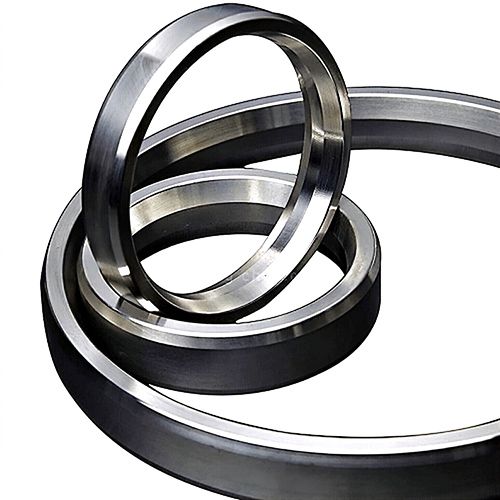
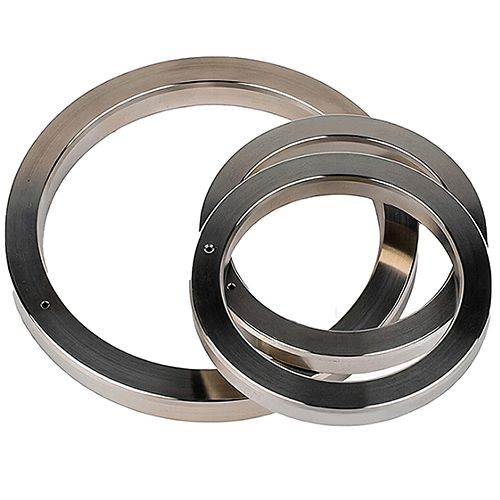
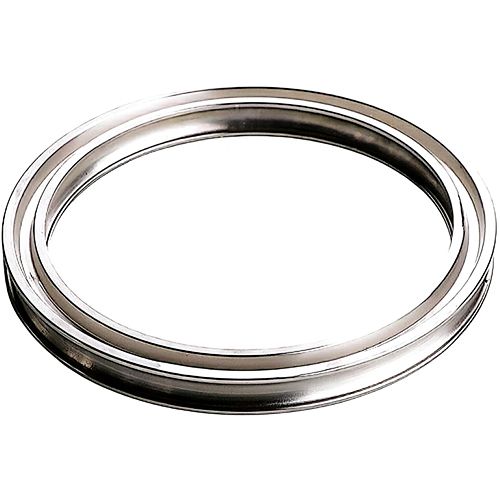
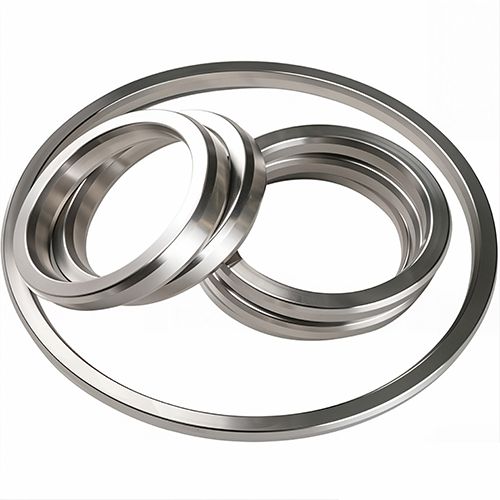
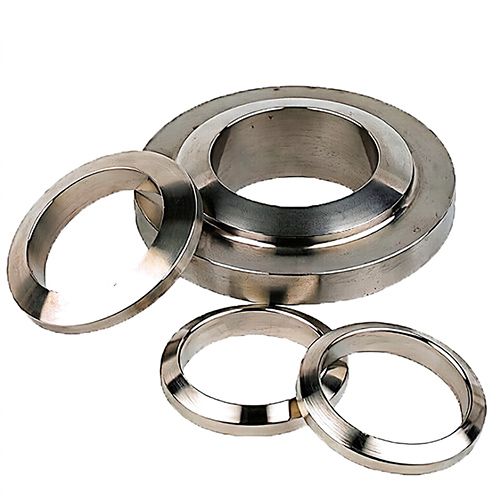
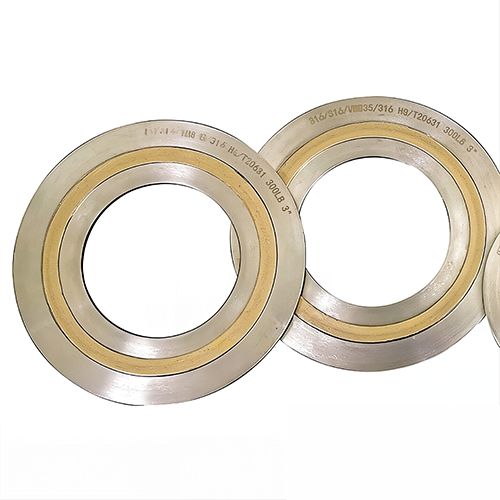
How should vermiculite spiral wound gaskets be installed? For a maintenance engineer facing a Saturday shutdown, the answer is not “tighten the bolts and restart.” A Vermiculite Spiral Wound Gasket is a precision sealing component: a vermiculite filler, stainless steel windings, and inner and outer rings designed to support high-temperature and cyclic service. If a buyer orders the correct gasket but the crew installs it on a scored flange, skips the torque pattern, or reuses an old gasket, the joint can leak during startup and turn a planned outage into an emergency. The installation sequence should be simple enough for the site team and strict enough for procurement to verify: confirm flange dimensions and gasket style, inspect and clean sealing surfaces, center the gasket without damaging the winding, lubricate bolts according to the procedure, and tighten in a controlled cross-pattern to the specified torque. Ningbo Kaxite Sealing Materials Co., Ltd. supports this process with vermiculite spiral wound gaskets, material traceability, dimensional checks, and practical installation guidance for project buyers. This guide walks through the field steps, inspection points, table parameters, and procurement checks that keep vermiculite spiral wound gasket installation predictable. It is written for purchasing teams who must compare supplier capability while also answering the maintenance team’s practical questions.
Installation Risks That Decide Leak-Free Startup
Pain scenario: A procurement team receives a competitive quotation for vermiculite spiral wound gaskets, approves the purchase, and sends the boxes to the warehouse. Weeks later, the turnaround crew opens the gaskets beside the flange, wipes the sealing surface with a rag, and tightens the bolts with an impact wrench. Startup begins, the joint sweats, and the leak is blamed on the gasket. In many cases, the real cause is a missing installation control point: wrong gasket thickness, damaged winding, dirty flange, uneven bolt load, or a gasket that was stored without support.
Solution: Treat installation as a short, checkable procedure. The buyer does not need to become a field technician, but the inquiry should define the gasket style, flange standard, facing finish, bolt lubrication, and torque values. The site team should then follow four gates: inspection before opening, flange preparation, centered placement, and staged tightening. When these gates are written into the work pack, the gasket has a much better chance of sealing on the first attempt.
| Control point | Common risk | Field action | Procurement verification |
|---|---|---|---|
| Gasket dimensions | Outer ring or bore does not match flange | Dry-fit before bolting | Confirm ASME B16.20, EN 1514, or drawing dimensions |
| Flange surface | Scratches, rust, old gasket residue | Clean and inspect Ra and flatness | State required surface finish in the order |
| Bolt load | One-pass tightening or uncalibrated wrench | Use staged star-pattern torque | Request torque guidance with the shipment |
| Gasket storage | Warped rings or damaged winding | Keep flat, dry, and protected | Check export packing and labeling |
Inspect and Store Vermiculite Spiral Wound Gaskets Before the Shutdown
Pain scenario: Gaskets arrive early for a planned outage and sit in a humid warehouse. A box is crushed by nearby pipe spools, the outer ring is bent, and the winding is nicked. The crew installs it because the schedule is tight. The joint leaks, and replacement gaskets are air-freighted in. This is an expensive way to discover that storage is part of installation.
Solution: Inspect vermiculite spiral wound gaskets on receipt and keep them in the original packaging until the flange is ready. Check the inner and outer rings for flatness, the winding for looseness or damage, and the filler for contamination. Record the batch or traceability number. If a gasket is dropped, bent, or has a damaged winding, do not try to straighten it for service. For critical high-temperature lines, use a clean, dry staging area and issue gaskets by flange tag number so the correct style reaches the correct joint.
| Inspection item | Accept | Reject or hold | Record |
|---|---|---|---|
| Outer ring | Flat, clean, no deformation | Bent, cracked, or dented | Photo and batch number |
| Inner ring | Seated, smooth, correct bore | Loose, distorted, or wrong size | Dimension check |
| Winding | Tight, uniform, no nicks | Loose wrap, crushed edge, contamination | Hold for supplier review |
| Packaging | Dry, flat, labeled | Wet, crushed, mixed sizes | Receiving report |
Prepare Flanges and Bolts for a Reliable Seal
Pain scenario: A crew removes an old gasket with a chisel and leaves deep radial scratches across the raised face. The new vermiculite spiral wound gasket cannot conform to the damaged surface, and the joint leaks at low pressure. Another common issue is poor flange alignment: the pipes are pulled together with bolts, so the gasket is compressed unevenly before torque is even applied.
Solution: Clean the flange faces with a suitable solvent and a non-damaging tool. Remove all old gasket residue, rust, oil, and scale. Inspect the surface finish and flatness. For many spiral wound gasket applications, a finish around 3.2–6.3 µm Ra, or 125–250 µin Ra, is specified, but the final requirement should match the flange standard and gasket supplier’s data. Check bolt threads and nuts, apply the specified lubricant, and correct pipe alignment before the gasket is placed. Do not use grease or anti-seize on the gasket itself unless the supplier has approved it in writing.
| Parameter | Typical target | Check method | Buyer note |
|---|---|---|---|
| Flange surface finish | 3.2–6.3 µm Ra, verify with standard | Comparator or profilometer | Include Ra in the gasket inquiry |
| Flange flatness | No visible warp or radial damage | Straightedge and visual check | Repair or replace damaged flanges |
| Bolt condition | Clean threads, correct grade | Visual and thread check | Confirm bolt material and lubricant |
| Alignment | Flanges parallel and centered | Gap check before bolting | Do not use bolts to pull pipes together |
Center the Gasket and Protect the Winding
Pain scenario: The gasket is placed on the lower flange, the upper flange is lowered, and the outer ring catches on a bolt. The crew taps the gasket with a hammer to center it. The winding is now damaged, but the damage is hidden under the flange. The joint may pass an initial pressure test and fail after a thermal cycle.
Solution: Place the gasket on the flange using the outer ring or bolt holes as the centering guide. Do not force it over studs or strike it with a metal tool. Confirm that the gasket is seated flat and that the inner ring, where supplied, is properly positioned. Bring the mating flange down evenly and start the bolts by hand. For vertical flanges, use the appropriate support or guide pins to avoid gasket drop. The goal is a centered gasket with an undamaged winding before any significant bolt load is applied.
| Gasket style | Centering feature | Placement check | Avoid |
|---|---|---|---|
| Spiral wound with outer ring | Outer ring fits bolt circle or flange recess | Ring flat and evenly seated | Hammering or prying the ring |
| Spiral wound with inner and outer rings | Inner ring protects bore, outer ring centers | Both rings visible and aligned | Forcing over damaged studs |
| Custom drawing style | Match tag number and drawing | Dimension check before bolting | Mixing similar sizes |
Tighten Bolts in Stages, Not in One Pass
Pain scenario: A contractor uses an impact wrench on every bolt until it “feels tight.” The first bolts lose load as the later bolts compress the flange. The gasket is not uniformly compressed, and the joint leaks at the far side. The crew retightens the leaking bolts, which makes the load distribution worse.
Solution: Use a calibrated torque wrench and a written tightening sequence. For a typical circular flange, tighten in a star or crisscross pattern in at least three stages: approximately 30%, 60%, and 100% of the final torque. Check the sequence around the flange after each stage. Where the procedure requires it, apply a final uniform pass and record the values. For high-temperature service, follow the approved hot-torqueing procedure only with proper safety controls. The final torque should come from the flange design, bolt grade, lubricant, and gasket supplier’s recommendation, not from a generic chart.
| Stage | Target | Pattern | Record |
|---|---|---|---|
| Stage 1 | About 30% of final torque | Star or crisscross | Wrench setting and date |
| Stage 2 | About 60% of final torque | Same sequence | Operator initials |
| Stage 3 | 100% of final torque | Same sequence, full circle | Final values by bolt number |
| Final check | Uniform load, no loose bolts | Mark nuts and inspect | Punch list clearance |
Installation Questions Buyers Ask Before Approval
How should vermiculite spiral wound gaskets be installed on raised-face flanges?
Clean and inspect the raised face, confirm the gasket dimensions, and center the gasket with the outer ring or bolt holes. Do not lubricate the gasket. Lubricate the bolt threads and nut faces as specified, bring the flanges together evenly, and tighten in a star pattern in at least three stages to the approved torque. After the system reaches operating temperature, follow the plant’s controlled retorque procedure if one is required. Keep the gasket batch record with the flange tag so procurement and maintenance can trace the installed part.
How should vermiculite spiral wound gaskets be installed when the flange surface is pitted?
Do not cover deep pits with a new gasket and hope for the best. Light surface staining can be cleaned, but deep radial scratches, pitting, or warping should be assessed against the flange standard. In many cases the flange needs repair or replacement. If the surface is acceptable, use the specified finish, install the gasket flat and centered, and follow the staged torque procedure. For critical service, ask Ningbo Kaxite Sealing Materials Co., Ltd. to review the flange condition and gasket specification before the shutdown window closes.
Procurement Parameters to Put on the Inquiry
Pain scenario: A buyer sends a message that says “spiral wound gasket, high temperature, please quote.” The supplier receives no flange standard, no pressure class, no filler details, and no ring material. The quotation may look attractive, but the delivered gasket may not match the flange or the service. The buyer then spends time on clarification while the maintenance date moves closer.
Solution: Put the installation-critical parameters directly in the inquiry. This reduces back-and-forth and gives the supplier a clear basis for material selection, dimensional checks, and packing. For vermiculite spiral wound gaskets, include the filler type, winding metal, inner and outer ring material, flange standard, pressure class, temperature, line media, and any drawing number. Also state whether the gasket is for a standard stock item or a tagged project spare.
| Parameter | Why it matters | Example inquiry language |
|---|---|---|
| Gasket style | Controls rings and centering | Vermiculite spiral wound gasket, outer ring, ASME B16.20 |
| Winding metal | Affects temperature and corrosion resistance | SS316L winding, confirm with service media |
| Filler | Defines high-temperature sealing behavior | Vermiculite filler, suitable for high-temperature service |
| Rings | Centering and compression control | Carbon steel outer ring, SS inner ring |
| Flange standard | Ensures dimensions fit | ASME B16.5 Class 300, raised face |
| Documentation | Supports QA and traceability | Material certificate, dimensional report, batch label |
Where Ningbo Kaxite Sealing Materials Co., Ltd. Fits the Project
Pain scenario: The buyer needs a supplier who can respond to a technical question, keep dimensions consistent across repeat orders, and pack gaskets so they arrive flat. A low-cost source that cannot confirm material traceability creates risk for the shutdown team.
Solution: Ningbo Kaxite Sealing Materials Co., Ltd. supplies vermiculite spiral wound gaskets and related sealing products for project procurement, with attention to gasket style, ring dimensions, winding metal, filler, labeling, and export packing. The company can review flange standards and service conditions before shipment, helping buyers avoid the common mismatch between a catalog number and the actual flange. For repeat maintenance programs, clear batch identification and consistent packing make it easier to issue the right gasket to the right line.
| Buyer need | Practical support | Installation benefit |
|---|---|---|
| Correct gasket dimensions | Review flange standard and drawing | Gasket seats without forcing |
| High-temperature service | Confirm filler and winding metal | Material suited to the line condition |
| Project traceability | Batch labeling and material documents | Easier receiving inspection |
| Shutdown schedule | Export packing and clear marks | Less risk of damage before use |
For buyers who need a supplier that can answer both commercial and installation questions, Ningbo Kaxite Sealing Materials Co., Ltd. supplies vermiculite spiral wound gaskets, ring joints, and sealing materials with dimensional control, material traceability, and export packing. The company works with procurement teams to match gasket style, filler, winding metal, rings, and flange standards before shipment, helping reduce site surprises during shutdowns and turnaround projects. Review product options at https://www.ring-joint-gaskets.net or send drawings and service conditions to [email protected] for a practical quotation and installation guidance.
Research Papers for Further Verification
Abid, M., Khan, S. M., and Nash, D. H., 2016. Thermo-mechanical behaviour of spiral wound gaskets in bolted flange joints. International Journal of Pressure Vessels and Piping, 144, 1–10.
Kondo, K., and Omiya, Y., 2018. Leakage and relaxation characteristics of spiral wound gaskets under high-temperature service. Sealing Technology, 2018(7), 7–11.
Waterland, R. C., 2005. Practical considerations for the installation of spiral wound gaskets. Sealing Technology, 2005(11), 9–12.
Murali, M., and Shunmugam, M. S., 2019. Effect of flange surface finish on gasket sealing performance. Journal of Pressure Vessel Technology, 141(4), 041201.
Fukuoka, T., and Takaki, T., 2003. Finite element analysis of bolted flange joints with spiral wound gaskets. Journal of Pressure Vessel Technology, 125(2), 159–165.
Nechache, A., and Bouzid, A. H., 2007. Creep analysis of bolted flange joints with spiral wound gaskets. International Journal of Pressure Vessels and Piping, 84(12), 753–760.
Nagata, S., and Sawa, T., 2011. Effects of gasket configuration on the sealing performance of bolted pipe flange connections. Journal of Pressure Vessel Technology, 133(5), 051202.
Zhang, L., and Liu, Y., 2020. Temperature-dependent sealing performance of vermiculite-filled spiral wound gaskets. Applied Sciences, 10(15), 5210.
Brown, W., and Reeves, D., 2012. Bolt tightening strategies for reliable gasketed joints. Sealing Technology, 2012(4), 8–12.
Kobayashi, T., and Hamano, K., 2017. Evaluation of high-temperature gasket materials for industrial piping. Journal of Materials Engineering and Performance, 26(9), 4350–4358.