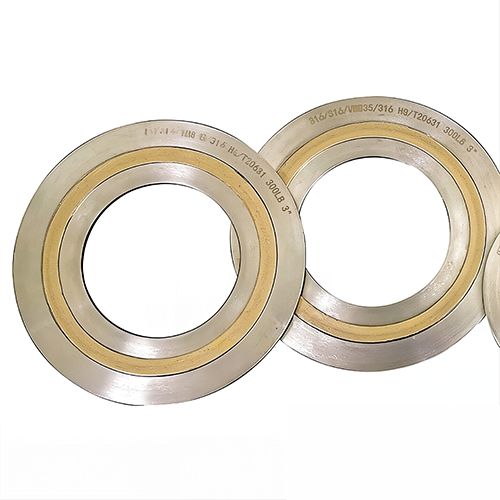
English


In high-pressure oil and gas, chemical processing, and power generation plants, a single sealing failure can stop production, release hazardous media, and cost thousands of dollars per hour. Procurement engineers and maintenance teams often face this exact challenge when conventional spiral wound gaskets or standard ring type joint gaskets cannot withstand extreme temperature swings, high pressure, or small flange face irregularities. That is why more buyers are asking: What are lens ring type joint gaskets? A lens ring type joint gasket is a self-energized metallic seal with a lenticular cross-section. It is designed to create a tight, reliable seal in high-pressure and high-temperature services such as heat exchangers, reactors, and critical piping. Unlike flat or standard ring gaskets, this design uses the pressure of the system to increase sealing contact stress, so it performs well under thermal cycling and flange movement. This guide explains the fundamentals, common procurement pain points, material options, selection criteria, and installation practices. You will also see how Ningbo Kaxite Sealing Materials Co., Ltd. helps buyers avoid expensive trial-and-error sourcing and get consistent, traceable lens ring type joint gaskets.
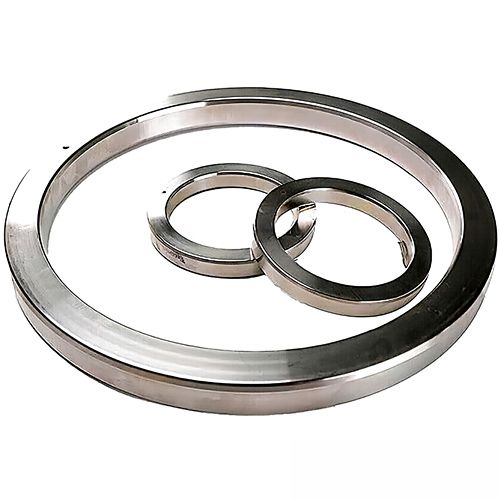
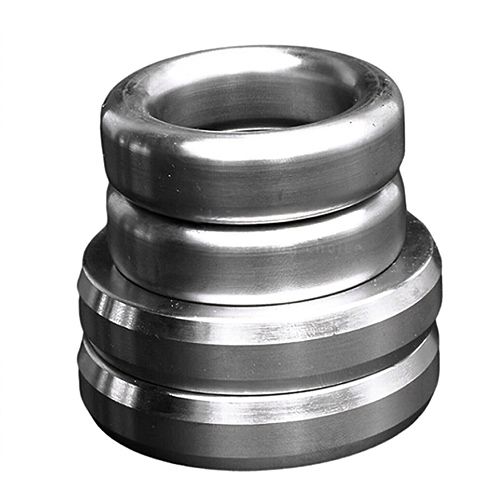
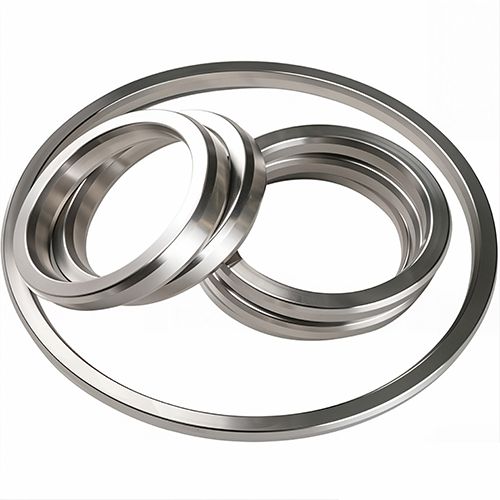
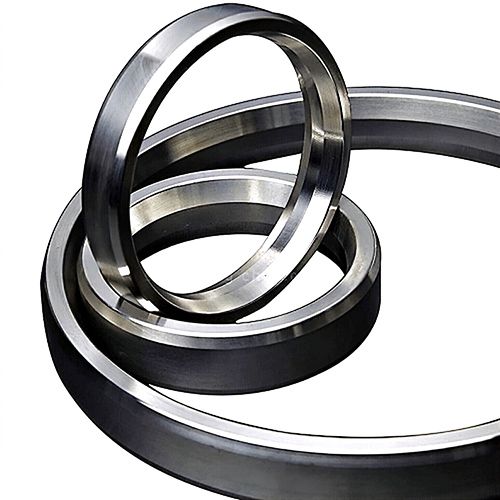
Lens Ring Type Joint Gaskets are metallic seals with a curved, lenticular profile. The shape concentrates bolt load into a narrow contact band on the flange sealing face. This creates high unit seating stress without requiring extreme torque, which is especially valuable on high-pressure equipment with limited bolt space.
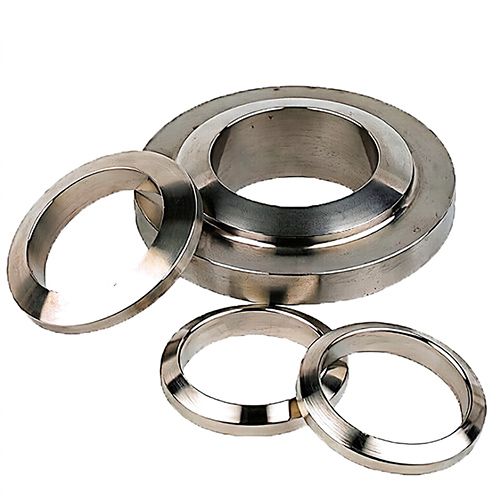
The gasket sits between two metal surfaces, often in a confined groove or between conical sealing faces. When system pressure increases, the lens shape deflects slightly and pushes the sealing surfaces harder against the flange. This self-energizing behavior helps the seal remain tight even during pressure spikes, temperature changes, or minor flange rotation. Typical materials include stainless steel, Inconel, Hastelloy, soft iron, and alloy steel, so the gasket can be matched to the fluid and temperature requirements.
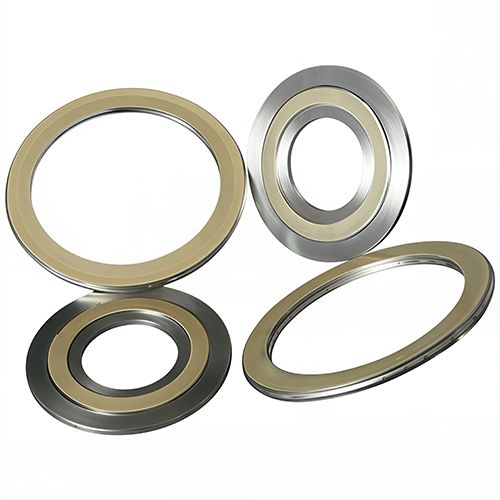
Compared with standard octagonal or oval ring type joint gaskets, lens ring designs provide better recovery and are less likely to embed into flange surfaces. That reduces flange damage and extends the service life of expensive components. Procurement teams often switch to lens ring type joint gaskets after repeated leaks or maintenance costs with conventional RTJ products.
Picture a refinery maintenance planner ordering replacement gaskets for a high-pressure heat exchanger. The previous standard RTJ gasket leaked after only four months. The plant lost production, the crew replaced the gasket twice, and the root cause was not the flange condition but the seal design under thermal cycling. Standard RTJ gaskets rely on a tight metal-to-metal fit in a machined groove. If the groove has slight distortion, or if the system cycles between hot and cold, the gasket can lose seating stress and leak.
The solution is not simply buying the same gasket again. A lens ring type joint gasket uses its curved geometry to maintain contact stress over a wider range of conditions. Ningbo Kaxite Sealing Materials Co., Ltd. supplies lens ring type joint gaskets with controlled hardness, precise dimensional tolerances, and full material traceability. This helps maintenance teams solve the underlying sealing problem instead of repeating the same emergency repair loop.
Selecting the right lens ring type joint gasket starts with matching material and dimensions to the service. The table below gives an overview of common material options. Actual dimensions are custom-made to groove diameter, thickness, and radius.
| Material Grade | Max Service Temperature | Hardness Range (HB) | Typical Pressure Class | Common Application |
|---|---|---|---|---|
| Soft Iron | 450°F (232°C) | 56-90 | Class 150-600 | General oil and gas piping |
| SS316 / SS316L | 1500°F (815°C) | 135-160 | Class 600-2500 | Corrosive chemical service |
| Inconel 625 | 2000°F (1093°C) | 150-220 | Class 1500-4500 | High-temperature reactors |
| Hastelloy C276 | 1250°F (677°C) | 150-220 | Class 600-2500 | Acidic and chloride environments |
| F5 Alloy Steel | 850°F (454°C) | 130-180 | Class 600-1500 | Sour service and refineries |
These values are reference points. Ningbo Kaxite Sealing Materials Co., Ltd. confirms material composition, hardness, and dimensional accuracy before shipment, so buyers can compare supplier data with project specifications instead of relying on generic catalog values.
Many procurement professionals inherit a gasket specification from an old datasheet. The problem is that operating conditions often change, and copying an old part number can lead to premature failure. For example, if the process fluid now contains more hydrogen or the temperature swings wider than the original design, a gasket with the wrong hardness may gall the flange or lose resilience.
Use this five-step selection process:
Ningbo Kaxite Sealing Materials Co., Ltd. helps buyers with this process by offering custom sizes, raw material traceability, and pre-shipment inspection. This reduces the risk of receiving gaskets that look correct but fail in service.
Even the best lens ring type joint gasket will leak if installed incorrectly. In one common scenario, a maintenance crew reuses a gasket after a short shutdown because it looks undamaged. Metallic gaskets, however, deform permanently under load. Once removed, they should never be reused. Another mistake is applying excessive bolt torque, which can crush the lens shape and reduce its ability to respond to pressure changes.
Follow these practices to get the full performance from lens ring type joint gaskets:
Ningbo Kaxite Sealing Materials Co., Ltd. supports maintenance teams with clear marking, packaging, and documentation. This reduces installation errors and helps plants avoid costly unplanned downtime.
Lens ring type joint gaskets have a curved lenticular cross-section instead of the flat octagonal or oval faces found on standard RTJ gaskets. This shape concentrates seating stress more efficiently and allows the gasket to flex slightly under pressure. As a result, lens ring designs often handle thermal cycling, pressure fluctuation, and minor flange misalignment better than conventional RTJ products. They are especially useful in high-pressure heat exchangers, reactors, and critical piping systems.
Yes. They are frequently specified for high-pressure heat exchangers because the self-energizing lens profile maintains a reliable seal under pressure and temperature changes. Buyers should confirm material compatibility, groove dimensions, and pressure rating with the supplier. Ningbo Kaxite Sealing Materials Co., Ltd. manufactures lens ring type joint gaskets to customer drawings and provides inspection data to support heat exchanger applications.
When your project depends on a reliable seal, supplier qualification matters as much as gasket design. Ningbo Kaxite Sealing Materials Co., Ltd. specializes in metallic gaskets including lens ring type joint gaskets, standard ring type joint gaskets, and custom sealing products. The company serves procurement engineers, maintenance planners, and distributors who need consistent quality, dimensional accuracy, and clear documentation.
Have you experienced repeated gasket leaks or struggled to find a supplier for custom lens ring dimensions? Share your operating parameters or flange drawing with us. For technical support, pricing, or material verification, email the team at [email protected] or visit https://www.ring-joint-gaskets.net.
Zhang, Y., & Li, X. (2019). Sealing behavior of lens ring gaskets under high-temperature cyclic loading. Journal of Pressure Vessel Technology, 141(3).
Brown, T. (2017). Comparative study of lens ring and octagonal ring joint gaskets for high-pressure heat exchangers. International Journal of Pressure Vessels and Piping, 150, 45-53.
Müller, H., & Schneider, F. (2020). The effect of surface roughness on the contact stress of lens-type metallic gaskets. Engineering Failure Analysis, 112, 104-115.
Patel, R. (2018). Material selection for self-energized metallic gaskets in hydrogen service. International Journal of Hydrogen Energy, 43(15), 7330-7339.
Kim, S., & Park, J. (2016). Finite element analysis of lens ring joint gaskets for ultra-high-pressure piping. Journal of Mechanical Science and Technology, 30(12), 5581-5588.
Davis, M. (2021). Sealing reliability of metallic gaskets in thermal shock conditions. Procedia Structural Integrity, 33, 780-787.
Chen, L., Wang, H., & Zhao, Q. (2015). Hardness matching criteria for ring type joint gaskets and flange grooves. Materials & Design, 75, 322-331.
Rodriguez, A. (2019). Leakage failure analysis of ring joint gaskets in refinery hydroprocessing units. Engineering Failure Analysis, 103, 204-213.
Thompson, G. (2022). Advances in self-energized lens gaskets for low-emission valve applications. Journal of Loss Prevention in the Process Industries, 76, 104-114.
Singh, P., & Kumar, V. (2014). Experimental investigation of lens gasket contact pressure using pressure-sensitive film. Experimental Techniques, 38(4), 55-62.
-