English


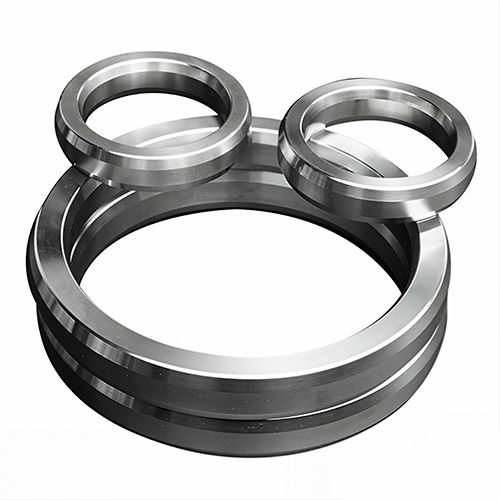
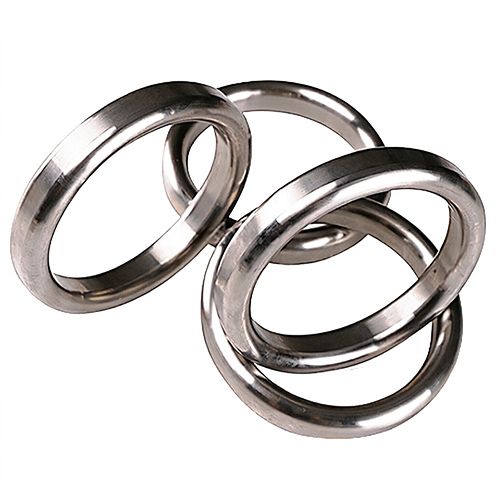
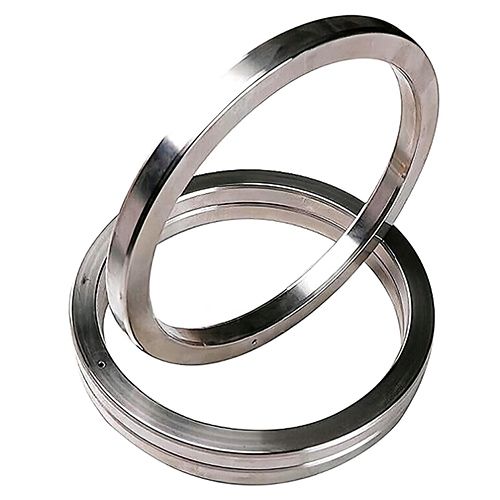
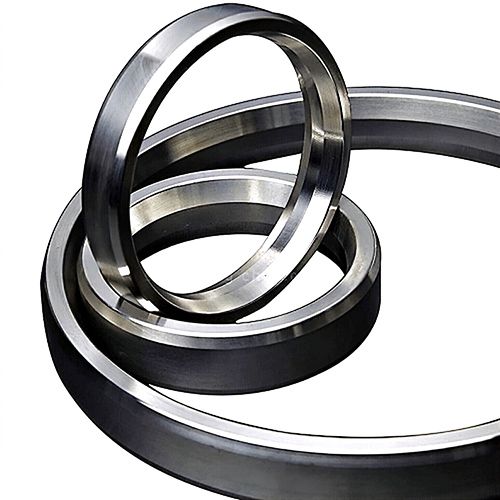
Why use an F55 Ring Type Joint Gasket instead of a standard gasket? Picture a procurement lead for an offshore gas project holding two quotes: one for a familiar compressed fiber gasket and one for a machined F55 ring type joint gasket. The standard gasket looks simpler and cheaper, but it must survive high pressure, vibration, seawater atmosphere, and a maintenance window that cannot slip. A soft gasket may creep, relax bolt load, or bond to the flange; a metal-to-metal RTJ gasket seats into the groove and maintains a controlled sealing contact. F55, a super duplex stainless steel with UNS S32760 chemistry, adds high yield strength and chloride resistance, so it is often selected for ASME B16.20 and API 6A ring type joint flanges in demanding service. Ningbo Kaxite Sealing Materials Co., Ltd. helps buyers move from a generic gasket inquiry to a traceable F55 RTJ gasket specification with the right groove profile, hardness, surface finish, marking, and documentation. The result is not just a part number; it is a sealing decision that reduces rework, leak risk, and delayed commissioning.
On this page:
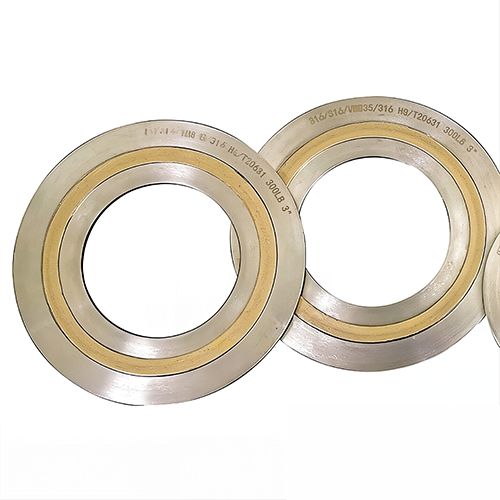
Pain scenario: A gas manifold rated for severe cyclic service is assembled with a standard sheet gasket because it is readily available. During start-up, bolt load relaxes, the gasket creeps, and a visible weep appears near a flange. The maintenance team re-torques the joint, but the leak returns after a thermal cycle. The buyer now faces unplanned downtime, extra isolation work, and a documentation question from the client.
Solution: An F55 ring type joint gasket changes the sealing principle. The metal ring is compressed into a machined groove, creating a defined line contact between gasket and flange. When the F55 material, groove geometry, and bolting are correctly matched, the joint is less dependent on soft-gasket compression and more tolerant of pressure and temperature movement. Ningbo Kaxite Sealing Materials Co., Ltd. reviews the flange standard, pressure class, groove type, and service media before recommending an F55 RTJ gasket, so the buyer receives a specification that can be checked, approved, and repeated.
| Parameter | Typical F55 RTJ gasket requirement | Procurement benefit |
|---|---|---|
| Material grade | F55 / UNS S32760 super duplex stainless steel | Clear grade identity for approval and audit |
| Design standard | ASME B16.20, API 6A, or project specification | Reduces dimensional mismatch with flange grooves |
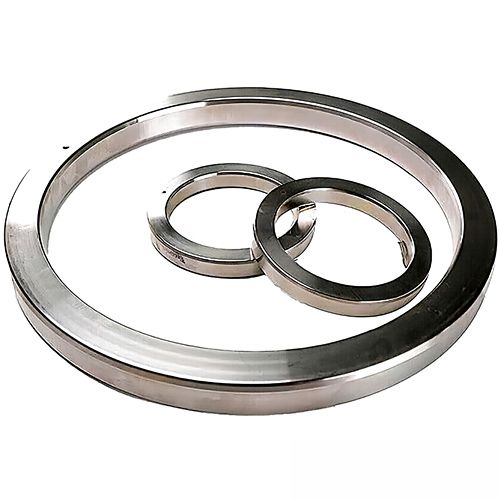
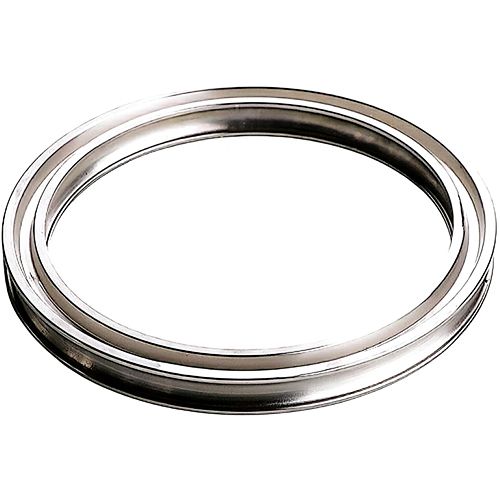
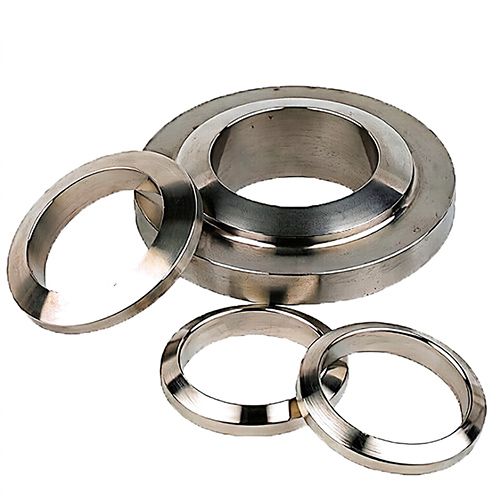
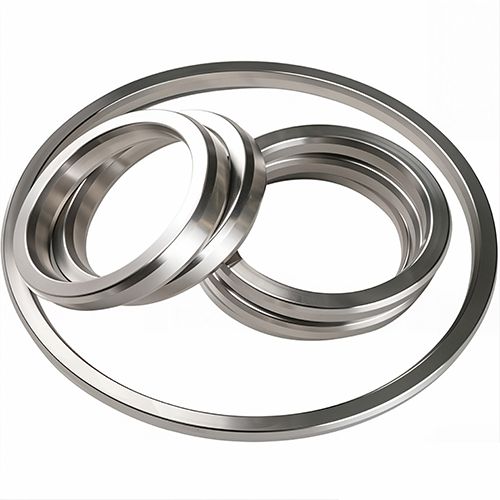
| Gasket profile | Octagonal or oval ring type joint style | Matches the actual groove and installation method |
| Pressure class | ASME 900 to 2500 or API 6A pressure classes | Supports high-pressure boundary planning |
| Traceability | Heat number, marking, and material certificate | Faster client review and QA release |
| Packaging | Protected faces, tagged bundle, export-ready carton | Prevents edge damage before installation |
Pain scenario: A buyer compares a low-cost standard gasket with a super duplex ring type joint gasket and sees only the unit price. Months later, the standard gasket swells in brine, loses elasticity, or corrodes at the flange face. The replacement cost is small compared with the cost of isolation, inspection, and deferred production.
Solution: F55 is selected for its combination of strength and corrosion resistance. Its high pitting resistance equivalent number helps resist chloride attack, while its yield strength supports metal-to-metal sealing in high-pressure joints. Ningbo Kaxite Sealing Materials Co., Ltd. helps procurement teams translate service conditions into a practical F55 specification, including hardness control and certificate requirements, so the gasket is not over-specified or under-specified.
| Property | F55 RTJ gasket advantage | Why buyers care |
|---|---|---|
| Corrosion resistance | High resistance to chloride pitting and crevice attack | Better for coastal, offshore, and seawater-exposed sites |
| Yield strength | High strength compared with common austenitic grades | Supports demanding pressure classes with controlled geometry |
| Hardness control | Can be specified to suit flange material and project rules | Reduces risk of groove damage during make-up |
| Temperature range | Suitable for many high-pressure oil, gas, and process duties | Useful where soft gaskets may degrade |
| Reusability | Metal ring can be inspected, but replacement is normally preferred | Clear maintenance policy avoids reused damaged rings |
Pain scenario: A warehouse sends an oval RTJ gasket to a site where the flange has an octagonal groove, or a contractor installs a ring into a damaged groove without checking surface finish. The joint may pass a quick pressure test but leak after thermal cycling. The buyer then has to investigate whether the cause was material, dimension, or installation.
Solution: F55 RTJ gasket selection must start with the flange drawing, not only the pipe size. The groove profile, width, depth, surface finish, and flange face condition all affect seating. Ningbo Kaxite Sealing Materials Co., Ltd. encourages buyers to send the flange standard, groove drawing, and pressure class with the inquiry. That simple step helps confirm whether an octagonal or oval ring is correct and reduces field surprises.
| Check point | Target | Risk if missed |
|---|---|---|
| Groove type | Octagonal or oval as per flange drawing | Poor seating and possible leak path |
| Groove surface | Clean, smooth, free from rust, burrs, and scoring | Damage to gasket face and uneven contact |
| Gasket dimensions | Matches ASME B16.20 or project drawing | Incorrect ring height or width |
| Flange alignment | Parallel faces and correct bolting sequence | Uneven load and local over-compression |
| Lubrication | Approved bolting lubricant and controlled make-up | Incorrect bolt load and rework |
Pain scenario: An offshore platform alternates between humid seawater atmosphere and sour process gas. A standard gasket may look acceptable at the quotation stage, but the buyer needs a material story that can survive chlorides, possible H2S exposure, and inspection scrutiny. A single material substitution can trigger a client deviation and delay shipment.
Solution: F55 ring type joint gaskets are often considered for severe offshore and sour-service evaluations because super duplex stainless steel offers high strength and strong chloride resistance. The exact acceptability still depends on the project specification, temperature, partial pressures, and required compliance such as NACE MR0175 or NORSOK. Ningbo Kaxite Sealing Materials Co., Ltd. supports buyers with grade confirmation, marking, and material documentation so the gasket can be reviewed against the project’s corrosion and traceability requirements.
| Service condition | F55 RTJ gasket consideration | Procurement note |
|---|---|---|
| Chloride-rich atmosphere | Super duplex chemistry supports pitting resistance | Confirm project PREN and grade requirements |
| Sour service review | Material must meet the applicable project standard | Ask for NACE MR0175 or client specification compliance |
| High-pressure gas | Metal-to-metal seating suits RTJ flange design | Confirm pressure class and groove drawing |
| Low-temperature exposure | Impact requirements depend on grade and project rules | Request test reports when impact testing is required |
| Seawater splash zone | Better corrosion resistance than many standard grades | Protect gasket faces during storage and transport |
Pain scenario: A buyer receives three quotes for an F55 ring type joint gasket. One quote is lower, but it does not state the heat number, hardness, or dimensional report. The buyer risks buying a gasket that looks correct but cannot pass client review, or worse, arrives with damaged sealing faces and no traceable documentation.
Solution: Treat the F55 RTJ gasket as a documented safety component, not a commodity ring. Ningbo Kaxite Sealing Materials Co., Ltd. helps procurement teams define the certificate package, marking, inspection points, and packaging before the order is released. This makes supplier comparison fair and gives the buyer a clear acceptance checklist.
| Document or check | What to request | Why it matters |
|---|---|---|
| Material certificate | EN 10204 3.1 with heat number | Confirms F55 grade and traceability |
| PMI verification | Positive material identification when required | Reduces grade mix-up risk |
| Hardness report | Hardness values against project limits | Supports flange protection and approval |
| Dimensional report | Key dimensions checked to drawing | Reduces installation mismatch |
| Marking | Size, class, grade, heat number, and standard | Improves warehouse identification |
| Packaging | Face protection and tagged export carton | Prevents damage before make-up |
Q1: Why use an F55 ring type joint gasket instead of a standard gasket in high-pressure gas service?
A1: High-pressure gas service needs a sealing method that matches the flange design and keeps a controlled contact stress. A standard soft gasket may relax, creep, or degrade when pressure and temperature move. An F55 ring type joint gasket uses a metal ring seated in a machined groove, so the seal is created by metal-to-metal contact. F55 adds high strength and chloride resistance, which is useful in offshore and process environments. The buyer should still confirm ASME B16.20 or API 6A dimensions, groove type, hardness, and documentation with Ningbo Kaxite Sealing Materials Co., Ltd. before ordering.
Q2: Why use an F55 ring type joint gasket instead of a standard gasket when sour service and seawater exposure are both present?
A2: When sour service and seawater exposure appear together, the gasket must be reviewed as part of the pressure boundary, not as a simple consumable. F55 super duplex stainless steel offers a strong combination of strength and chloride resistance, and it can be supplied with heat-number traceability and material certificates. However, the final choice depends on temperature, H2S partial pressure, project specification, and applicable standards. Ningbo Kaxite Sealing Materials Co., Ltd. helps buyers align the F55 RTJ gasket grade, marking, and paperwork with the flange and project requirements so the purchasing decision is defensible.
Ningbo Kaxite Sealing Materials Co., Ltd. works with procurement teams that need dependable ring type joint gaskets for high-pressure, offshore, petrochemical, and severe-service flange assemblies. From F55 material confirmation and groove matching to marking, packaging, and export documentation, the company helps buyers turn a vague gasket request into a clear order specification. Share your flange drawing, pressure class, service media, and required certificate package, and the team can review the F55 RTJ gasket requirement with you. Visit https://www.ring-joint-gaskets.net or email [email protected] to start the conversation and keep your next flange joint on schedule.
J. Charles, 2008, Duplex Stainless Steels and Their Properties, Revue de Métallurgie, 105(1).
J.-O. Nilsson, 1992, Super Duplex Stainless Steels, Materials Science and Technology, 8(8).
R. Francis, 2006, The Performance of Duplex Stainless Steels in Seawater, Materials Performance, 45(11).
B. Wallén and M. Liljas, 1995, Corrosion Resistance of Duplex and Super Duplex Stainless Steels, Materials Science Forum, 192–194.
H. D. Solomon and T. M. Devine, 1982, Influence of Microstructure on the Corrosion Resistance of Duplex Stainless Steels, Corrosion, 38(11).
J. M. Nicholls, 2010, Gasket Selection for High-Pressure Oil and Gas Service, Sealing Technology, 2010(9).
P. G. C. Smith, 2012, Metal-to-Metal Sealing in Ring Type Joint Flanges, Journal of Pressure Vessel Technology, 134(4).
K. T. Kim and S. H. Lee, 2016, Finite Element Analysis of RTJ Gasket Contact Stress, International Journal of Pressure Vessels and Piping, 145.
M. A. R. Ahmed and T. Hussain, 2018, Material Selection for Sour Service Flanges and Gaskets, Engineering Failure Analysis, 91.
S. R. Kumar and P. V. Rao, 2020, Leakage Behavior of Ring Type Joint Gaskets under Cyclic Loading, Journal of Offshore Mechanics and Arctic Engineering, 142(5).