English


What is an oval ring joint gasket? It is a precision-machined metal seal with an oval cross-section, produced to fit inside a machined groove on ring-type joint (RTJ) flanges. When the flange bolts are tightened, the oval profile deforms slightly into the groove and creates a high-integrity metal-to-metal seal that can withstand extreme pressure, high temperature, and aggressive process fluids. If you are sourcing gaskets for wellheads, offshore risers, refinery piping, or petrochemical plants, a leaking RTJ flange can quickly turn into a safety incident, lost production, or expensive rework. Many procurement engineers still struggle with inconsistent hardness, rough surface finish, and delayed deliveries from unqualified suppliers. That is where a focused manufacturer such as Ningbo Kaxite Sealing Materials Co., Ltd. can solve real problems. For onshore and offshore teams, this is not just a purchasing detail; it is the difference between a secure flange and a costly leak. This guide walks you through how Oval Ring Joint Gaskets work, what causes them to fail, and how to choose the right material and dimensions before you place an order.
Contents
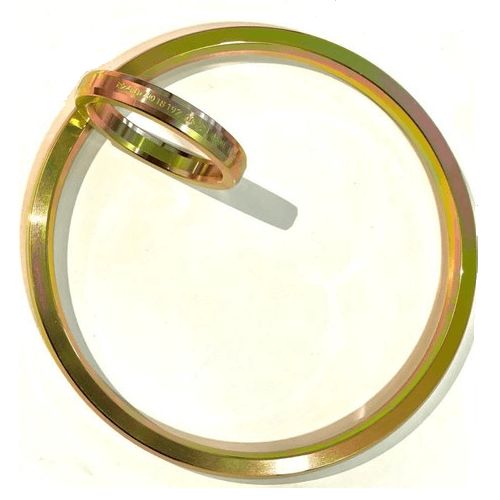
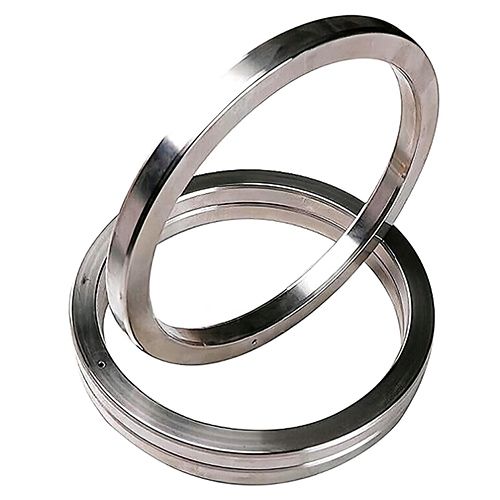
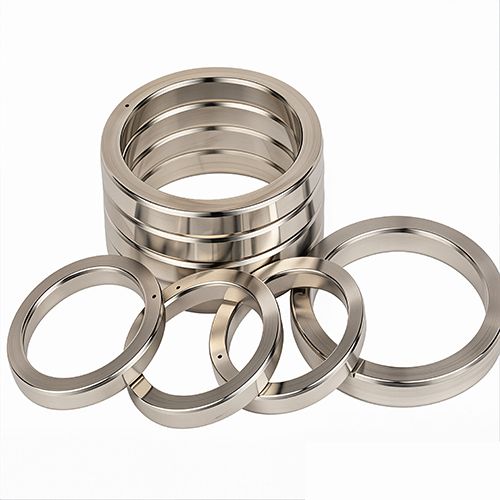
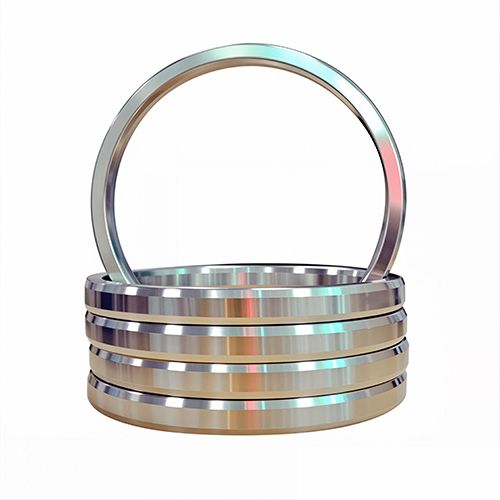
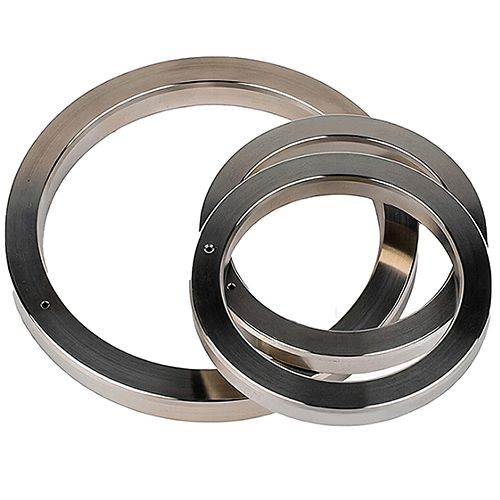
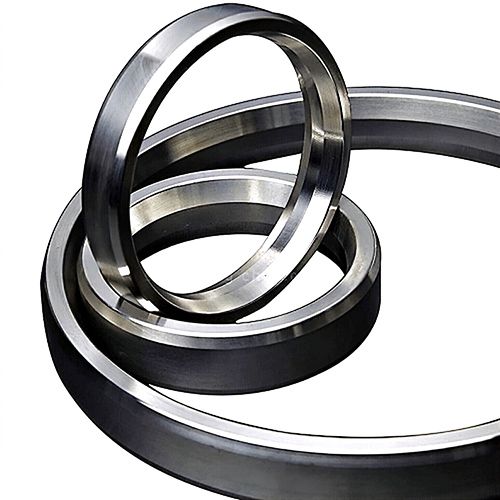
An oval ring joint gasket is a solid metal ring with an oval-shaped cross-section. Unlike flat gaskets, it does not rely on a soft filler to seal. Instead, it seats inside a precision-machined groove on the flange face. When the flange is bolted, the gasket is compressed and the oval cross-section flows slightly into the groove. This produces a tight line-contact seal that resists blowout, vibration, and thermal cycling. The design is common in upstream oil and gas, natural gas processing, and high-pressure petrochemical services because it remains stable even when the flange faces are not perfectly smooth.
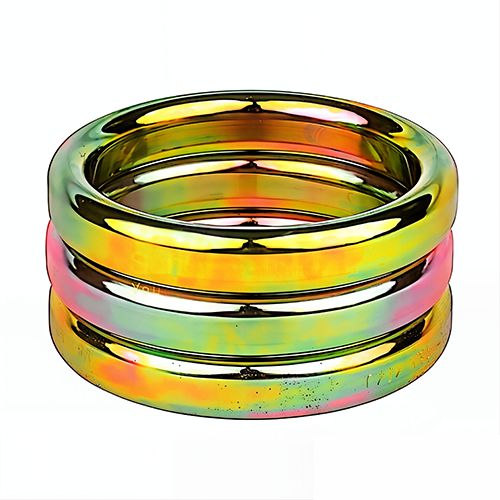
In practice, the oval shape is especially useful for flanges that may be older or have minor surface imperfections. Because the oval profile has rounded contact edges, it can seat smoothly without excessive stress concentration. For procurement specialists, this means fewer rejected inspections and a more predictable seal after bolt-up. Ningbo Kaxite Sealing Materials Co., Ltd. machines these gaskets from API 6A and ASME B16.20 compliant material, with dimensional control that helps field crews install them correctly the first time.
Picture a maintenance supervisor at a gas processing plant. A flange on the discharge line starts dripping during a pressure test. The replacement gasket was sourced quickly from a low-cost supplier, but the hardness is too high and the surface finish is rough. The leak returns after startup. Now the plant loses eight hours of production, and the maintenance team has to break torque, clean the flange, and replace the gasket again. This is a familiar scenario when oval ring joint gaskets are selected on price alone without verifying material certification.
The solution starts with a clear material specification and a supplier that controls hardness and machining accuracy. For example, soft iron ring joint gaskets should have a maximum Brinell hardness of around 90 HB, and the sealing surface should be free from chatter marks or burrs. NACE MR0175/ISO 15156 requirements may also apply for sour service. By choosing a manufacturer like Ningbo Kaxite Sealing Materials Co., Ltd., procurement teams can request full mill test reports, hardness test results, and dimensional inspection data before shipment.
One of the most common questions from piping engineers is why an oval ring joint gasket should be chosen instead of an octagonal gasket. The answer is rooted in contact mechanics. An oval cross-section offers a rounded contact area that mates with the tapered flange groove. During bolt-up, the gasket material yields locally and creates a continuous seal band around the entire circumference. Even if the flange groove has slight taper variation, the oval profile can conform without cracking or pinching.
For high-pressure gas systems, this is critical. A small leak path can allow methane or hydrogen to escape, creating a fire or explosion hazard. The oval ring joint gasket reduces this risk by providing a more forgiving installation window and a tight seal under cyclic pressure. Ningbo Kaxite Sealing Materials Co., Ltd. produces oval ring joint gaskets with controlled ovality and surface roughness, so the seal band remains consistent from ring number R11 to R105 and beyond.
Choosing the wrong material is another frequent cause of oval ring joint gasket failure. If the gasket is harder than the flange groove, the flange may deform permanently, making future sealing impossible. If the material is too soft, it may extrude under extreme pressure. The table below summarizes common materials and their typical hardness and service limits.
| Material | Max Hardness (HB) | Temperature Range | Typical Service |
|---|---|---|---|
| Soft Iron | 90 | -40°F to 500°F | General oil and gas, non-corrosive |
| Low Carbon Steel | 120 | -40°F to 550°F | Moderate pressure, standard pipelines |
| Stainless Steel 304 | 160 | -300°F to 1000°F | Corrosive or high-temperature service |
| 316/316L | 160 | -300°F to 1000°F | Sour service, chemical exposure |
| Duplex / Inconel | 220–250 | Cryogenic to 1200°F | High corrosion, subsea, critical valves |
When you order from Ningbo Kaxite Sealing Materials Co., Ltd., the material grade is marked on each gasket or packaging, and the corresponding physical and chemical test certificates are available. This removes guesswork for inspectors and keeps your quality system audit-ready.
An oval ring joint gasket must match the flange groove dimensions exactly. Even a small deviation in pitch diameter or ring width can prevent proper seating. The industry references are ASME B16.20 and API 6A. Each gasket is identified by a ring number such as R16, R20, R24, R31, R37, R39, R41, or R49. The table below shows a simplified selection guide.
| Ring Number | Typical Flange Size | Pressure Class | Common Application |
|---|---|---|---|
| R11–R16 | 1/2"–1" | API 6A 5,000–10,000 psi | Wellhead valves, compact flanges |
| R20–R24 | 1"–2" | API 6A 2,000–5,000 psi | Choke manifolds, piping |
| R31–R37 | 2"–3" | ASME Class 900–1500 | Refinery high-pressure lines |
| R41–R49 | 4"–6" | ASME Class 600–2500 | Production headers, injection lines |
Always confirm the actual ring number from the flange marking or original manufacturer drawings. If you are unsure, Ningbo Kaxite Sealing Materials Co., Ltd. can help you identify the correct oval ring joint gasket from flange dimensions, pressure class, and service conditions. This reduces ordering errors and prevents costly downtime.
A high-quality oval ring joint gasket can still leak if the installation process is careless. Common mistakes include reusing an old gasket, leaving dirt or rust in the groove, or applying uneven bolt torque. The result is often a pinched gasket, a localized leak, or a flange that fails during hydrotest.
To avoid this, clean the flange groove thoroughly and inspect for nicks, corrosion, or damage. Use a new oval ring joint gasket for every joint. Lubricate bolt threads and nut faces, then tighten bolts in a cross-pattern sequence in at least three passes. Check the final gap between flange faces to ensure even compression. After installation, record the gasket ring number, material, heat number, and torque values for traceability. Ningbo Kaxite Sealing Materials Co., Ltd. supplies batch identification with every order, making this documentation step faster for your maintenance team.
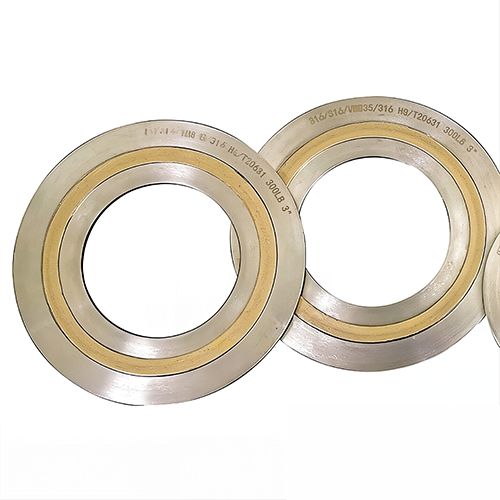
Procurement teams often face long lead times and inconsistent quality when buying oval ring joint gaskets from trading companies. Ningbo Kaxite Sealing Materials Co., Ltd. is a sealing materials manufacturer that focuses on ring joint gaskets, spiral wound gaskets, and related sealing products. Our production includes soft iron, low carbon steel, 304/316 stainless steel, duplex, and high-nickel alloys. We provide continuous material traceability, hardness inspection, and dimensional reports so that your incoming quality checks pass without surprises.
Whether you need standard R-series ring gaskets or custom ring joint gaskets for high-pressure wellhead equipment, the company can supply small batches for maintenance and large volumes for project orders. This flexibility solves two common pain points: long project lead times and minimum order quantity restrictions. With our in-house machining and testing capability, we help you keep flanges sealed in oil, gas, refining, and chemical services.
Q: What is an oval ring joint gasket used for?
A: An oval ring joint gasket is used to seal ring-type joint flanges in high-pressure and high-temperature piping systems. It is commonly specified in oil and gas wellhead equipment, refinery units, natural gas pipelines, and petrochemical plants. The gasket fits into a machined groove and provides a metal-to-metal seal that resists blowout, thermal cycling, and vibration.
Q: What is an oval ring joint gasket’s main advantage compared with an octagonal ring joint gasket?
A: The oval cross-section provides a rounded contact face that can seat more easily into the flange groove. This can be more forgiving when the groove has slight surface irregularities or minor misalignment. The oval ring joint gasket often performs well in older flanges or applications where the flange groove has experienced some wear, while still providing a reliable high-pressure seal.
Still not sure which oval ring joint gasket matches your flange? Send your ring number, material requirement, and quantity to our team for a fast technical recommendation.
For more than two decades, Ningbo Kaxite Sealing Materials Co., Ltd. has supplied API 6A and ASME B16.20 compliant oval ring joint gaskets to oil and gas operators, refineries, and industrial distributors worldwide. We offer full-size range, custom material options, and reliable batch documentation. Contact our engineering team at [email protected] for a quote or technical support.
Bickford, J. H. (1998). Gaskets and Gasketed Joints. ASME Pressure Vessels and Piping Division, 367.
Payne, J. R., & Schneider, R. W. (1997). Comparison of ASME B16.20 Ring Joint Gasket Materials. Journal of Pressure Vessel Technology, 119(3).
Bhatia, A. (2012). Ring Type Joint Gaskets: Design and Selection. International Journal of Engineering Research, 3(2).
Zhu, L., Wang, Y., & Chen, X. (2015). Stress Distribution in RTJ Flange Connections. Journal of Petroleum Science and Engineering, 130.
Brown, W. P. (2004). The Behavior of Ring Joint Gaskets Under Thermal Cycling. Welding Research Council Bulletin, 495.
API Technical Report 6AF. (2013). Capabilities of API Flanges Under Combinations of Load. API Publishing.
Kauer, R., Schneider, P., & Wiesner, S. (2010). Leakage Analysis of Metallic Gaskets in High Pressure Applications. Chemical Engineering Transactions, 21.
Nash, D. H., & Abid, M. (2015). Combined External Load Tests on RTJ Flanged Joints. International Journal of Pressure Vessels and Piping, 131.
Soriano, L., Martinez, A., & Fernandez, J. (2018). Surface Roughness Effects on Metal-to-Metal Seal Performance. Tribology International, 123.
Zhang, Y., Liu, H., & Sun, B. (2020). Finite Element Analysis of Oval and Octagonal Ring Joint Gaskets. Engineering Failure Analysis, 115.
-