English


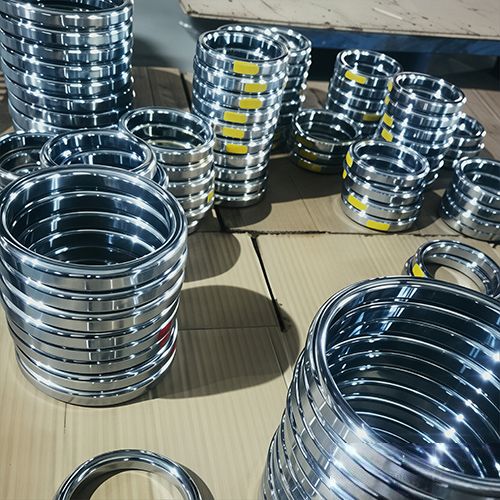
Picture this: a procurement manager receives an urgent request for a BX ring joint gasket, but the flange drawing only shows a pressure class and a bore size. The supplier asks, “What BX number do you need?” and the order stalls. If you have ever asked, “What are the standard sizes for BX ring joint gaskets?” you already know the problem: BX gaskets are not simple commodity parts. They follow API 6A designations such as BX150 through BX169, and each BX number links to a specific flange geometry, nominal bore, and pressure rating. A BX155 gasket will not safely seal a BX156 flange, even if both look similar in a warehouse photo. Getting this wrong can cause high-pressure leaks, unplanned shutdowns, and failed inspections. These gaskets are pressure-energized metal seals, which means the flange groove shape and ring height control the sealing performance far more than the outside diameter. This guide gives you a clear standard size chart, practical identification steps, material options, and direct sourcing support from Ningbo Kaxite Sealing Materials Co., Ltd. We help buyers and maintenance teams confirm the right BX ring joint gasket quickly, so you can order with confidence and avoid costly downtime.
Article Outline
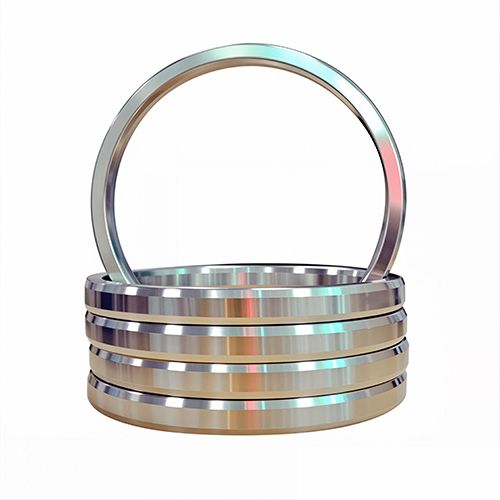
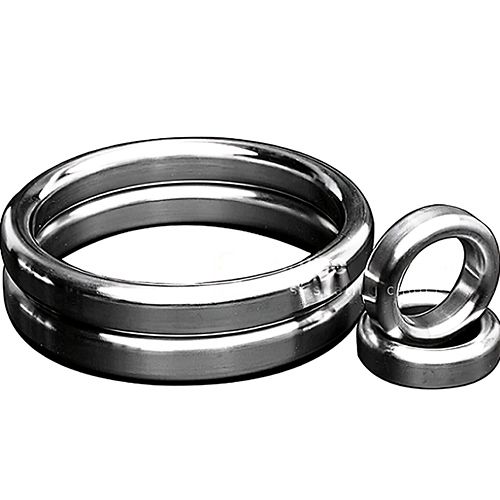
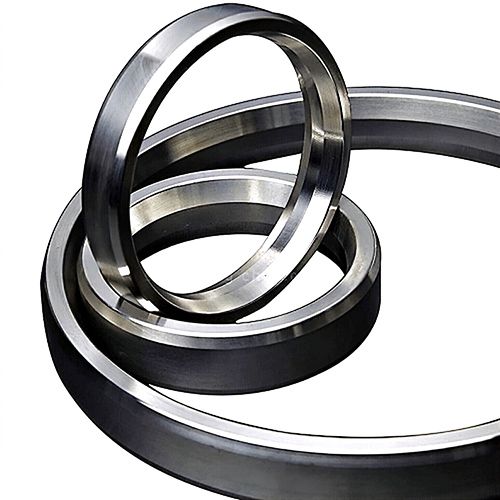
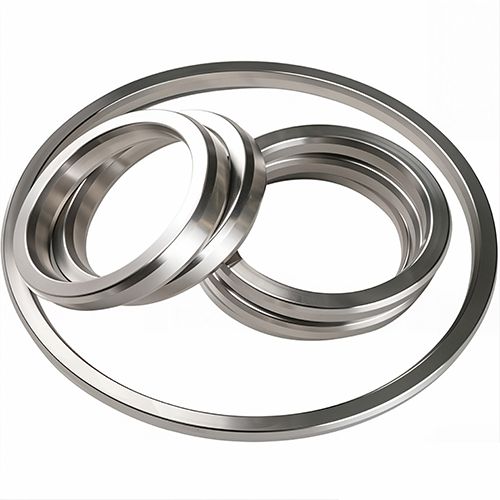
API 6A BX Ring Joint Gaskets are pressure-energized metal seals designed for flanges in wellhead, Christmas tree, and high-pressure pipeline connections. The standard BX series runs from BX150 to BX169. Each number represents a specific flange profile with a defined root diameter, groove width, and ring height. In practical purchasing terms, you need the BX number stamped on the flange or the original gasket. The table below lists the common BX sizes and the nominal bore reference for quick RFQ preparation.
| BX Number | Nominal Bore (in) | Common API 6A Pressure Class (psi) |
|---|---|---|
| BX150 | 1 13/16 | 5,000–20,000 |
| BX151 | 2 1/16 | 5,000–20,000 |
| BX152 | 2 9/16 | 5,000–20,000 |
| BX153 | 3 1/16 | 5,000–20,000 |
| BX154 | 4 1/16 | 5,000–20,000 |
| BX155 | 5 1/8 | 5,000–20,000 |
| BX156 | 7 1/16 | 5,000–20,000 |
| BX157 | 9 | 5,000–20,000 |
| BX158 | 11 | 5,000–20,000 |
| BX159 | 13 5/8 | 5,000–20,000 |
| BX160 | 16 3/4 | 5,000–20,000 |
| BX161 | 18 3/4 | 5,000–20,000 |
| BX162 | 21 1/4 | 5,000–20,000 |
| BX163 | 26 3/4 | 5,000–20,000 |
| BX164 | 30 | 5,000–20,000 |
| BX165 | 34 | 5,000–20,000 |
| BX166 | 36 | 5,000–20,000 |
| BX167 | 38 | 5,000–20,000 |
| BX168 | 40 | 5,000–20,000 |
| BX169 | 42 | 5,000–20,000 |
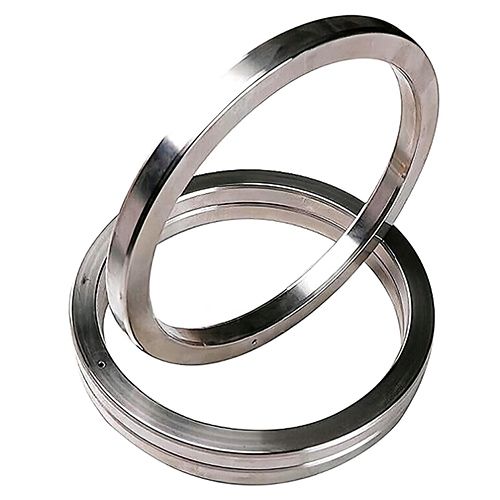
Keep in mind that the actual gasket outside diameter and height are controlled by API 6A dimension tables. A BX155 gasket, for example, is not selected by its outside diameter alone. The ring must match the flange groove geometry to create a reliable pressure-energized seal. Ningbo Kaxite Sealing Materials Co., Ltd. maintains standard BX dimensions and can provide inspection reports or material certificates with each order.
Pain point: a maintenance supervisor sends a photo of a worn ring gasket and asks for a replacement. The photo shows a 5-inch metal ring, but no part number. The supplier replies with multiple options: BX154, BX155, and BX156. The buyer must stop the order and request more data. This is common because BX ring joint gaskets are dimensionally close to each other. A small difference in groove angle or root diameter can prevent proper seating. When the wrong gasket is forced into a flange, it may suffer surface damage or fail during pressure testing.
Solution: create a simple field identification routine. First, look for the BX number stamped on the flange face or ring groove. Second, measure the root diameter of the groove and compare it with API 6A tables. Third, send the BX number, flange size, and pressure class to your supplier. This three-step check removes guesswork from the RFQ process. Ningbo Kaxite Sealing Materials Co., Ltd. supports this process by helping buyers interpret flange markings and dimensional data before quoting.
| Field Data | Likely BX Number |
|---|---|
| 2 1/16 in flange, API 6A | BX151 |
| 3 1/16 in flange, API 6A | BX153 |
| 5 1/8 in flange, API 6A | BX155 |
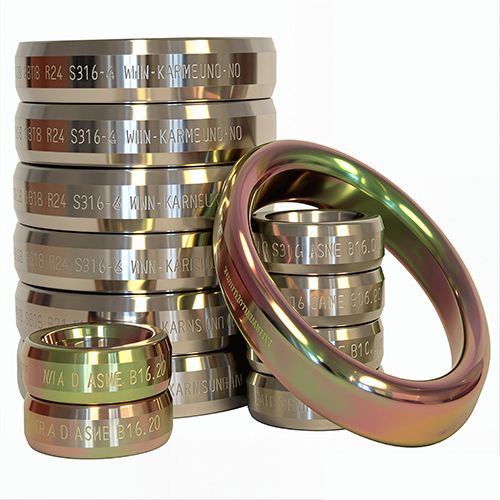
Start with the flange face marking. API 6A flanges often have a BX number stamped near the ring groove, such as BX153 or BX155. If this marking is missing, use the flange size and pressure class to narrow the options. Compare those values with the standard BX chart. Next, measure the groove root diameter and width. These dimensions are listed in API 6A and must match the gasket manufacturer's controlled dimensions. Do not rely on the outside diameter of the old gasket alone because plastic deformation can change the measured OD after service.
Procurement tip: always request material certificates and hardness test data. Soft iron gaskets are common, but high-chloride or sour service environments may require stainless steel, duplex, or Inconel. Ningbo Kaxite Sealing Materials Co., Ltd. supplies BX gaskets with traceable materials and can help you compare API 6A dimensions against your flange data.
Pain point: a buyer orders a soft iron BX gasket, but the field contains high CO2 and chlorides. The gasket corrodes and leaks during service. Material selection is just as important as dimensional accuracy. Standard BX ring joint gaskets are available in soft iron, ASTM A182 F316/F316L stainless steel, duplex stainless steel, and nickel alloys such as Inconel 625 and Incoloy 825. Coatings can include zinc phosphate, PTFE, or silver plating to improve corrosion resistance and reduce installation friction.
| Material Grade | Typical Hardness (HBW) | Common Coating | Best For |
|---|---|---|---|
| Soft iron | 90 max | Zinc phosphate | Standard wellhead service |
| 316L stainless steel | 160 max | PTFE or none | Corrosive, acidic conditions |
| Duplex stainless steel | 200 max | None | High chloride, high strength |
| Inconel 625 | 200 max | Silver plating | Sour gas, high temperature |
Ningbo Kaxite Sealing Materials Co., Ltd. can recommend the most cost-effective material based on your pressure, temperature, and fluid composition.
Question 1: What are the standard sizes for BX ring joint gaskets?
The standard BX range under API 6A includes BX150 through BX169. In nominal bore terms, this spans from 1 13/16 inches to 42 inches, depending on the specific flange design and pressure class. Common mid-range sizes such as BX154, BX155, and BX156 are frequently ordered for 4 1/16-inch, 5 1/8-inch, and 7 1/16-inch flanges.
Question 2: How do I know if I need a BX154 or BX155 gasket?
Check the flange face marking first. A 4 1/16-inch API 6A flange generally uses BX154, while a 5 1/8-inch flange uses BX155. If the marking is missing, measure the groove root diameter and compare it with API 6A tables. Visual similarity is not a reliable selection method. Ningbo Kaxite Sealing Materials Co., Ltd. can help you confirm the correct BX size from your flange drawing or photos.
When your order depends on accurate BX sizes, partner with a supplier that speaks API 6A. Ningbo Kaxite Sealing Materials Co., Ltd. focuses on ring joint gaskets for wellhead, valve, and pipeline applications. We provide standard BX series sizes in soft iron, 316L stainless steel, duplex, and special alloys, with hardness and coating options matched to your operating conditions. Our team checks dimensional tolerances, material certificates, and packaging requirements before shipment, helping you avoid costly sourcing errors.
Which BX ring joint gasket size are you currently sourcing? Send your flange drawing or BX number to our team, and we will return a quotation with technical confirmation.
For high-quality API 6A BX ring joint gaskets, contact Ningbo Kaxite Sealing Materials Co., Ltd. or email [email protected]. We help procurement teams and maintenance engineers solve sealing challenges with reliable dimensions, traceable materials, and responsive support.
1. M. D. Ruggieri, 2007. Evaluation of Ring Joint Gaskets for Subsea High-Pressure Applications. Journal of Pressure Vessel Technology, 129(3), 421–428.
2. A. H. Al-Ghamdi, 2015. Sealing Performance of API 6A Metallic Ring Joint Gaskets Under Thermal Cycling. Tribology International, 82, 178–186.
3. J. K. Lee, 2012. Finite Element Analysis of BX Ring Gasket Contact Stress in Wellhead Flanges. Engineering Failure Analysis, 24, 89–97.
4. R. G. Budynas, 2011. Mechanical Design of High-Pressure Seals for Oil and Gas Service. Journal of Mechanical Design, 133(11), 111001.
5. S. O. Olabisi, 2018. Corrosion Behavior of Alloy Steel and Stainless Steel Ring Joint Gaskets in Sour Environments. Materials and Corrosion, 69(6), 754–762.
6. P. J. Bausman, 2006. Improving Bolted Joint Reliability in API Flange Connections. Journal of Pressure Vessel Technology, 128(2), 234–240.
7. T. L. Warren, 2014. Pressure-Energized Metal Seal Performance in Subsea Wellhead Systems. Journal of Offshore Mechanics and Arctic Engineering, 136(4), 041403.
8. Y. Zhang, 2019. Surface Damage Analysis of RTJ Gaskets During Repeated Assembly. Engineering Failure Analysis, 101, 123–132.
9. M. E. Kartal, 2013. The Role of Gasket Surface Finish on Leakage in High-Pressure Flange Joints. International Journal of Pressure Vessels and Piping, 108–109, 51–59.
10. C. N. Wong, 2016. Hardness and Coating Effects on Metal Ring Gasket Sealing Efficiency. Journal of Petroleum Science and Engineering, 145, 320–328.
-